
Human Growth Hormone Hgh
Human Growth Hormone (HGH) | Uses, Benefits, Risks & Medical Information
Human Growth Hormone (HGH), also known as somatropin when used as a medicine, is a prescription treatment that is used to manage specific medical conditions under the supervision of a qualified healthcare professional. Growth hormone is naturally produced by the pituitary gland and plays an important role in normal growth, metabolism, muscle development, bone health, and tissue repair. Prescription HGH may be recommended for certain children and adults with diagnosed growth hormone deficiency or other approved medical conditions. Because HGH is a prescription medicine with potential risks and side effects, it should only be used following a medical evaluation and ongoing clinical monitoring. Understanding how HGH works, its approved medical uses, and the importance of professional supervision can help patients make informed healthcare decisions. Always consult a licensed healthcare provider before starting or changing any hormone therapy.



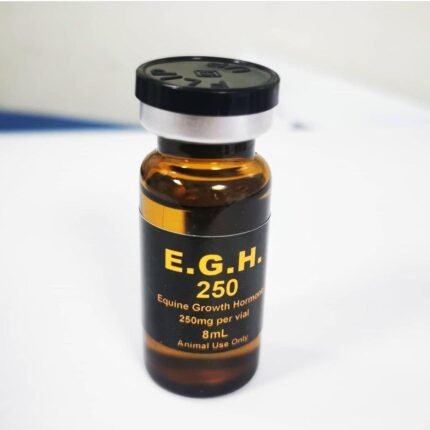






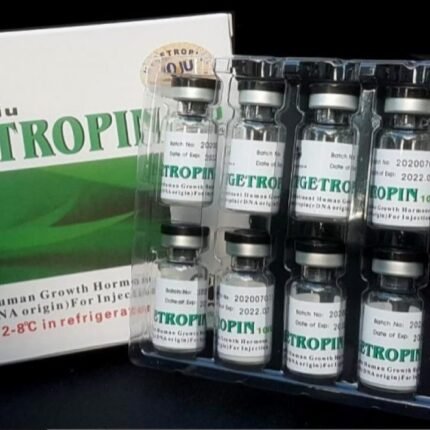
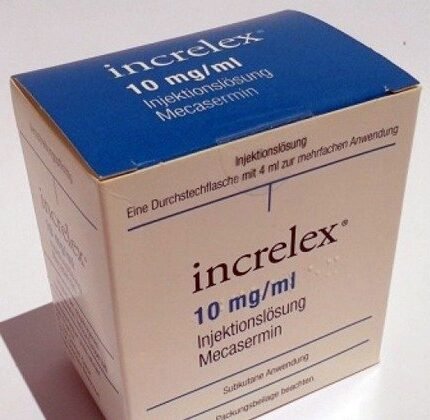





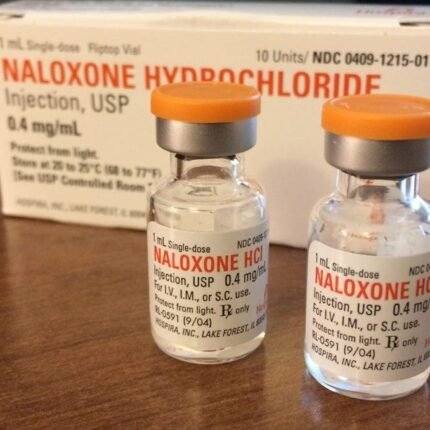


Understanding Human Growth Hormone Products
Human Growth Hormone (HGH) is a hormone naturally produced by the pituitary gland that helps regulate growth, metabolism, muscle development, bone strength, and tissue repair. During childhood and adolescence, growth hormone plays a critical role in normal physical development. In adults, it continues to support normal metabolic function, body composition, and bone health.
When the body does not produce enough growth hormone due to a diagnosed medical condition, a healthcare provider may prescribe somatropin, a synthetic form of human growth hormone. Treatment is individualized based on the patient's diagnosis, age, medical history, and response to therapy.
Approved Medical Uses
Prescription HGH may be used by healthcare professionals for certain approved medical conditions, including:
- Growth hormone deficiency in children
- Growth hormone deficiency in adults
- Certain growth disorders as determined by a specialist
- Other approved endocrine conditions according to local medical guidelines
The decision to prescribe HGH is based on a comprehensive medical evaluation, laboratory testing, and ongoing monitoring by an endocrinologist or other qualified healthcare professional.
How HGH Works
Growth hormone stimulates normal growth and influences several important functions throughout the body. It helps regulate:
- Bone growth and development
- Muscle protein synthesis
- Fat metabolism
- Tissue repair
- Energy metabolism
- Production of insulin-like growth factor-1 (IGF-1)
These physiological effects explain why growth hormone is carefully prescribed only when medically indicated.
Possible Side Effects
Like all prescription medicines, HGH may cause side effects in some individuals. These may include:
- Joint discomfort
- Muscle aches
- Fluid retention
- Swelling of the hands or feet
- Headache
- Injection-site reactions
- Changes in blood sugar levels
Patients receiving HGH therapy should attend regular medical appointments so their healthcare provider can monitor treatment effectiveness and adjust therapy if needed.
Important Safety Information
HGH is not appropriate for everyone. It should only be used when prescribed for an approved medical condition and under ongoing medical supervision.
Healthcare providers carefully evaluate:
- Medical history
- Existing health conditions
- Current medications
- Hormone levels
- Treatment goals
- Response to therapy
Using HGH without medical supervision may increase the risk of serious health complications and is not recommended.
Frequently Asked Questions
Is HGH available without a prescription?
In many countries, prescription Human Growth Hormone (HGH) is regulated and requires a valid prescription from a licensed healthcare provider.
Can HGH be used for anti-aging or athletic performance?
Many health authorities do not recommend using prescription HGH for anti-aging, bodybuilding, or athletic performance unless there is a medically approved indication prescribed by a healthcare professional.
Who should prescribe HGH?
HGH should only be prescribed and monitored by qualified healthcare professionals, often specialists in endocrinology or related medical fields.
Learn More About Human Growth Hormone
Understanding Human Growth Hormone (HGH) helps patients make informed decisions about their healthcare. If you believe you may have a condition related to growth hormone deficiency or another endocrine disorder, consult a licensed healthcare professional for proper evaluation, diagnosis, and treatment recommendations.
Medical Disclaimer: This information is provided for educational purposes only and is not a substitute for professional medical advice, diagnosis, or treatment. Prescription Human Growth Hormone (HGH) should only be used under the supervision of a qualified healthcare provider. Always follow your healthcare professional's recommendations regarding testing, treatment, monitoring, and medication use.