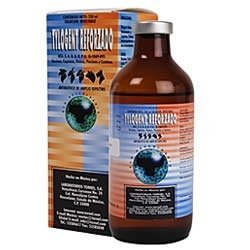
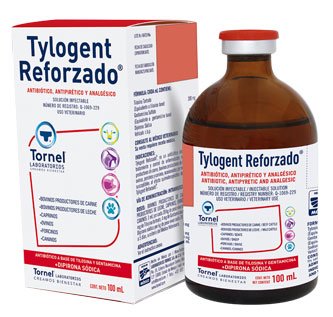
Tylogent – Tornel 250mL Injection
Tylogent Reforzado – Tornel 250mL Injection is an injectable veterinary antimicrobial formulation manufactured by Laboratorios Tornel. According to Tornel’s current product information, each mL contains tylosin tartrate equivalent to 200 mg tylosin base, gentamicin sulfate equivalent to 80 mg gentamicin base, and sodium dipyrone 250 mg. Tornel identifies the product for beef cattle, dairy cattle, goats, sheep, pigs and dogs.
The product is an intramuscular injectable solution. Tornel states that its labeled use is for diseases in the listed species caused by microorganisms susceptible to the combination’s antimicrobial effects. The manufacturer’s listed presentation includes a 250mL bottle, alongside 20mL, 50mL and 100mL presentations.
Because Tylogent Reforzado contains antibiotics, responsible veterinary use is particularly important. Antimicrobial treatment should be based on an appropriate veterinary assessment and should take into account the suspected or confirmed pathogen, antimicrobial susceptibility where appropriate, animal species, clinical condition and applicable regulations.
What Is Tylogent Reforzado?
Tylogent Reforzado is a combination injectable veterinary product containing two antimicrobial agents together with sodium dipyrone.
The formulation listed by Tornel is:
- Tylosin tartrate — equivalent to 200 mg tylosin base per mL
- Gentamicin sulfate — equivalent to 80 mg gentamicin base per mL
- Sodium dipyrone — 250 mg per mL
- Vehicle — sufficient to make 1mL
Tornel classifies it as an injectable solution and specifies intramuscular administration.
Tylogent 250mL Ingredients
Understanding the active ingredients is important when evaluating any veterinary medicine.
Tylosin
Tylosin is a macrolide antimicrobial used in veterinary medicine against susceptible microorganisms.
Its activity and appropriate clinical applications depend on the organism involved and its susceptibility.
Gentamicin
Gentamicin belongs to the aminoglycoside class of antibiotics.
It has activity against susceptible bacteria, particularly many Gram-negative organisms.
Its use requires appropriate veterinary consideration because aminoglycosides can have important safety considerations, particularly involving renal function.
Sodium Dipyrone
Sodium dipyrone, also known as metamizole in many markets, is included in the Tornel formulation.
Tornel’s product information identifies the formulation as having antibiotic, antipyretic and analgesic characteristics.
Tylogent for Cattle
Tornel lists Tylogent Reforzado for both beef cattle and dairy cattle.
Cattle with bacterial disease may require veterinary assessment to determine:
- The likely infectious cause
- Appropriate antimicrobial treatment
- Severity of disease
- Hydration status
- Presence of complications
- Whether additional supportive treatment is required
Antibiotics should not be used indiscriminately for every case of fever, coughing, diarrhea or reduced appetite.
Tylogent for Pigs
Tornel also lists pigs among the species for which Tylogent Reforzado is indicated.
Swine respiratory and gastrointestinal disease can involve multiple pathogens and management factors.
Veterinary treatment may need to consider:
- Herd history
- Clinical signs
- Housing conditions
- Biosecurity
- Nutrition
- Environmental conditions
- Disease transmission
- Antimicrobial susceptibility
Using an antimicrobial without considering the underlying cause can contribute to treatment failure and antimicrobial resistance.
Tylogent for Sheep
Sheep are another labeled species listed by Tornel.
Sheep with suspected bacterial disease should be examined appropriately, especially when multiple animals are affected.
The veterinarian may consider whether the problem is:
- Bacterial
- Viral
- Parasitic
- Nutritional
- Environmental
- Management-related
Antibiotic treatment is most useful when the underlying condition is susceptible to the selected antimicrobial.
Tylogent for Goats
Tornel includes goats among the labeled species for Tylogent Reforzado.
Goats can develop bacterial respiratory and other infections, but clinical signs alone do not always establish the causative organism.
Veterinary diagnosis is therefore important before antimicrobial treatment.
Tylogent for Dogs
Interestingly, Tornel’s current product page also lists canines among the species for which Tylogent Reforzado is indicated.
Dogs receiving an injectable antibiotic should be evaluated individually.
Factors that can affect treatment include:
- Body weight
- Age
- Kidney function
- Liver health
- Existing medications
- Severity of infection
- Hydration
- Previous antimicrobial exposure
Conditions Listed by the Manufacturer
Tornel states that Tylogent Reforzado is indicated for diseases caused by susceptible microorganisms and specifically describes applications involving conditions such as respiratory disease, pneumonia, diphtheria, metritis, mycoplasma-associated arthritis, salmonellosis and some cases of enteritis.
The appropriate diagnosis remains important because similar clinical signs can be caused by organisms that will not respond to the product.
Tylogent and Respiratory Disease
Respiratory disease is an important concern in cattle, pigs and other livestock.
Signs can include:
- Coughing
- Nasal discharge
- Increased respiratory effort
- Fever
- Reduced appetite
- Depression
- Reduced growth
- Reduced production
However, respiratory disease can involve viruses, bacteria, environmental stressors and mixed infections.
Veterinary evaluation can help determine whether antimicrobial treatment is appropriate.
Tylogent and Pneumonia
Pneumonia can become serious quickly, particularly in young livestock.
Early assessment can be important when animals show:
- Fever
- Coughing
- Rapid breathing
- Nasal discharge
- Reduced feed intake
- Depression
Antimicrobial selection should take into account the suspected pathogen and applicable veterinary guidance.
Tylogent and Mycoplasma
Tornel’s product information specifically references diseases associated with Mycoplasma among its labeled indications.
Mycoplasma-associated disease can affect different animal species and may require herd-level management in addition to individual treatment.
Biosecurity, ventilation, stocking density and disease prevention can all be important.
Tylogent and Enteric Disease
Tornel also mentions some cases of enteritis and salmonellosis among the product’s described indications.
Diarrhea does not automatically mean an antibiotic is required.
Possible causes include:
- Bacterial infection
- Viral infection
- Parasites
- Nutritional changes
- Toxins
- Poor hygiene
- Environmental stress
Veterinary diagnosis helps determine the appropriate treatment.
Tylogent and Metritis
Metritis is a uterine infection or inflammation that can occur following calving or other reproductive events.
Animals affected may show:
- Fever
- Abnormal vaginal discharge
- Reduced appetite
- Depression
- Reduced milk production
Veterinary evaluation is important because reproductive infections can become serious if inadequately managed.
Tylogent and Arthritis
Tornel’s information references arthritis associated with susceptible mycoplasma infections.
Joint swelling or lameness should not automatically be assumed to be infectious.
Possible causes include:
- Trauma
- Degenerative disease
- Bacterial infection
- Mycoplasma
- Developmental problems
Correct diagnosis is important before antibiotic treatment.
Tylogent 250mL Administration
Tornel identifies the administration route as intramuscular.
Administration should follow the manufacturer’s instructions and veterinary direction.
Injection technique matters because improper administration can result in:
- Tissue irritation
- Injection-site reactions
- Contamination
- Incorrect dosing
- Abscess formation
Use appropriate sterile technique and equipment.
Tylogent Dosage
Tornel’s current product information lists 1mL per 20kg body weight every 24 hours for 3 to 5 days, for the labeled cattle, goats, sheep, pigs and dogs, at the veterinarian’s discretion.
Because this is an antibiotic combination containing gentamicin and tylosin, the veterinarian should determine whether the labeled regimen is appropriate for the individual animal and condition.
Do not extend, shorten or modify treatment without veterinary direction.
Why Completing Appropriate Treatment Matters
When an antimicrobial is prescribed, the treatment plan should be followed as directed.
Incorrect use can contribute to:
- Treatment failure
- Persistent infection
- Disease complications
- Antimicrobial resistance
If the animal does not improve as expected, the veterinarian should reassess the diagnosis and treatment plan rather than simply increasing the dose.
Tylogent and Antimicrobial Resistance
Antimicrobial resistance is an important concern in modern veterinary medicine.
Bacteria can develop resistance when antibiotics are used improperly or unnecessarily.
Responsible antimicrobial stewardship involves:
- Using antibiotics only when indicated
- Selecting appropriate drugs
- Following veterinary guidance
- Using the correct dose
- Observing the appropriate treatment duration
- Considering susceptibility testing when appropriate
This helps preserve antimicrobial effectiveness for both veterinary and human medicine.
Tylogent and Food-Producing Animals
Tylogent is labeled by Tornel for cattle, goats, sheep and pigs, including dairy cattle.
When medicines are administered to food-producing animals, withdrawal periods are extremely important.
Tornel currently states that animals intended for human consumption should not be slaughtered until 30 days after the last application, and milk from treated animals should not be consumed until 5 days after the last application.
These requirements should always be verified against the current product label and applicable local regulations before use.
Tylogent for Dairy Cattle
Because the product is listed for dairy cattle, milk withdrawal requirements are particularly important.
Tornel’s current information lists a 5-day milk withdrawal period following the last application.
Producers should maintain accurate treatment records and ensure treated milk is appropriately withheld.
Tylogent for Meat Animals
For food-producing animals, Tornel currently lists a 30-day slaughter withdrawal period after the final application.
Always confirm current labeling and local regulations before marketing treated animals for human consumption.
Tylogent and Gentamicin Safety
Gentamicin belongs to a class of medicines associated with potential kidney toxicity.
This makes appropriate dosing and veterinary oversight particularly important.
Risk can be influenced by:
- Dehydration
- Existing renal disease
- Dose
- Duration
- Other nephrotoxic medications
The veterinarian should consider the animal’s health status before treatment.
Tylogent and Other Medications
Tell the veterinarian about other medicines the animal is receiving.
This includes:
- Other antibiotics
- Anti-inflammatory medicines
- Diuretics
- Sedatives
- Corticosteroids
- Supplements
- Other injectable medications
Potential interactions depend on the complete treatment plan.
Tylogent Storage
Tornel recommends storing Tylogent Reforzado at 15°C to 30°C, in a cool, dry location away from sunlight. The manufacturer also advises keeping it out of reach of children and domestic animals.
Always follow the current packaging instructions because storage requirements can change.
Tylogent 250mL Presentation
The 250mL bottle is one of the presentations listed by Tornel. The manufacturer also lists 20mL, 50mL and 100mL presentations.
The larger presentation can be relevant for veterinary practices or livestock operations where multiple animals require treatment, but the appropriate quantity to purchase depends on the veterinary treatment plan and product requirements.
Buying Tylogent Tornel 250mL
Customers researching this product may search for:
- Tylogent 250mL
- Tylogent Reforzado 250mL
- Tylogent Tornel Injection
- Tylogent Veterinary Injection
- Tylogent for Cattle
- Tylogent for Pigs
- Tylogent for Sheep
- Tylogent for Goats
- Tylogent for Dogs
- Tylosin Gentamicin Injection
- Tornel Veterinary Antibiotic
- Tylogent Injectable Antibiotic
Using the complete product name helps distinguish the product from other veterinary medicines with similar names.
Tylogent in the USA
Customers in the United States should verify whether the exact formulation is approved, available and legally dispensable for the intended species and use.
Veterinary antibiotic requirements can vary according to the product and animal.
Food-animal use also requires careful attention to residue and withdrawal regulations.
Tylogent in Canada
Canadian customers should verify local requirements before purchasing or administering Tylogent.
Veterinary drug approvals, prescribing requirements and food-animal rules should be confirmed for the specific formulation.
Tylogent in Australia
Australian livestock owners should verify local veterinary and regulatory requirements before using an imported veterinary antibiotic.
This is especially important for food-producing animals.
Tylogent in Mexico
Tylogent Reforzado is a Tornel product, and Tornel’s product information identifies its registration and labeled uses in Mexico.
Customers should still confirm current local requirements and product labeling.
Tylogent in France, Germany, Spain and the Netherlands
Customers in European countries should verify whether the exact formulation is authorized for veterinary use in their country.
A product marketed in Mexico or another jurisdiction does not automatically have the same authorization, prescribing status or withdrawal requirements in Europe.
Tylogent International Use
Veterinary medicines should be evaluated according to the laws of the country where the animal is located.
International customers should consider:
- Product registration
- Import restrictions
- Veterinary prescription requirements
- Target species
- Food-animal withdrawal periods
- Antimicrobial regulations
- Competition regulations where applicable
Frequently Asked Questions
What is Tylogent Reforzado 250mL?
Tylogent Reforzado 250mL is a Tornel injectable veterinary product containing tylosin, gentamicin and sodium dipyrone. Tornel lists it for cattle, goats, sheep, pigs and dogs.
What are the active ingredients?
Each mL contains tylosin tartrate equivalent to 200mg tylosin base, gentamicin sulfate equivalent to 80mg gentamicin base and 250mg sodium dipyrone.
Is Tylogent an antibiotic?
Yes. The formulation contains the antibiotics tylosin and gentamicin.
What animals can receive Tylogent?
Tornel lists beef cattle, dairy cattle, goats, sheep, pigs and dogs.
Is Tylogent for horses?
Tornel’s current product information does not list horses among the labeled species. Therefore, it should not be presented as a horse product based on the current manufacturer information.
What is Tylogent used for?
Tornel describes its use for diseases caused by susceptible microorganisms and specifically references respiratory diseases, pneumonia, diphtheria, metritis, mycoplasma-associated arthritis, salmonellosis and some cases of enteritis.
How is Tylogent administered?
Tornel specifies intramuscular administration.
What is the listed dosage?
Tornel currently lists 1mL per 20kg body weight every 24 hours for 3 to 5 days for the labeled species, at the veterinarian’s discretion.
What is the slaughter withdrawal period?
Tornel currently lists 30 days after the final application for animals intended for human consumption.
What is the milk withdrawal period?
Tornel currently lists 5 days after the final application before milk from treated animals should be consumed.
How should Tylogent be stored?
Tornel recommends storage at 15°C to 30°C, in a cool, dry place away from direct sunlight.
Can Tylogent be used without veterinary guidance?
Because it contains antimicrobial drugs, responsible use should involve veterinary assessment and direction.
Can Tylogent be combined with another antibiotic?
Combining antibiotics should only be done when specifically justified by a veterinarian. Unnecessary combinations can increase adverse effects and antimicrobial-resistance concerns.
Is Tylogent suitable for every infection?
No. It is intended for susceptible microorganisms, and not every infection will respond to tylosin and gentamicin.
Tylogent – Tornel 250mL Injection | Vet Pharma Med
Tylogent Reforzado – Tornel 250mL Injection is a veterinary injectable antimicrobial formulation containing tylosin, gentamicin and sodium dipyrone. Tornel’s current product information lists beef cattle, dairy cattle, goats, sheep, pigs and dogs as target species and specifies intramuscular administration.
Each mL contains tylosin tartrate equivalent to 200mg tylosin base, gentamicin sulfate equivalent to 80mg gentamicin base and 250mg sodium dipyrone. The product is intended for diseases caused by susceptible microorganisms, with Tornel specifically describing applications involving respiratory disease, pneumonia, mycoplasma-associated conditions, metritis, salmonellosis and some cases of enteritis.
For livestock producers, responsible antimicrobial use is essential. Treatment should be based on appropriate veterinary assessment, and animals should be monitored for their response. If an animal fails to improve, the diagnosis and treatment plan should be reassessed rather than simply increasing or extending antibiotic treatment.
Food-producing animals require additional attention to withdrawal periods. Tornel currently lists a 30-day slaughter withdrawal and a 5-day milk withdrawal following the final application.
For storage, Tornel recommends keeping the product between 15°C and 30°C, in a cool, dry location protected from sunlight.
Vet Pharma Med provides product information for customers researching veterinary medicines and animal-health products. Always verify the current product label and applicable local regulations before use.
Important: Tylogent Reforzado contains prescription/regulated veterinary antimicrobial ingredients in many jurisdictions. This information does not replace veterinary diagnosis or prescribing advice. Use the product only for an appropriate labeled or professionally determined indication and according to the current manufacturer’s instructions
TYLOGENT – TORNEL – 250ML TYLOGENT REINFORCED is recommended against Gram positive and Gram negative bacteria, to combat chronic respiratory diseases and other infections caused by mycoplasma, it fights diseases such as pneumonia, diphtheria, metritis, arthritis caused by mycoplasmas, salmonellosis and some cases of enteritis. REINFORCED TYLOGENT is quickly absorbed and easily distributed into tissues. The combination of the antibiotics that make up the formula enhances the effects of these and is administered in a smaller volume and for less time. It also contains dipyrone, which is an anti-inflammatory and antipyretic that allows better absorption of the active principles.
Active ingredient: Tylosin tartrate; Gentamicin sulfate; Sodium dipyrone ..TYLOGENT – TORNEL – 250ML
This product provides a synergistic antibiotic and analgesic effect with excellent response. Due to its concentration, less volume and fewer applications are administered. Each ml contains 200 mg. Tylosin, 80 mg. Of Gentamicin and 250 mg of Dipyrone.
Presentation
20ml bottle
50ml bottle
100ml bottle
250ml bottle
Distributed for Mexico
as pneumonia, diphtheria, metritis, arthritis caused by mycoplasmas, salmonellosis and some cases of enteritis. REINFORCED TYLOGENT is quickly absorbed and easily distributed into tissues. The combination of the antibiotics that make up the formula enhances the effects of these and is administered in a smaller volume and for less time. It also contains dipyrone, which is an anti-inflammatory and antipyretic that allows better absorption of the active principles.
Active ingredient: Tylosin tartrate; Gentamicin sulfate; Sodium dipyrone ..
This product provides a synergistic antibiotic and analgesic effect with excellent response. Due to its concentration, less volume and fewer applications are administered. Each ml contains 200 mg. Tylosin, 80 mg. Of Gentamicin and 250 mg of Dipyrone.



Reviews
There are no reviews yet.