Meloxidyl 1.5mg/mL for Dogs – Meloxicam Oral Suspension for Pain and Inflammation
Meloxidyl 1.5mg/mL for Dogs
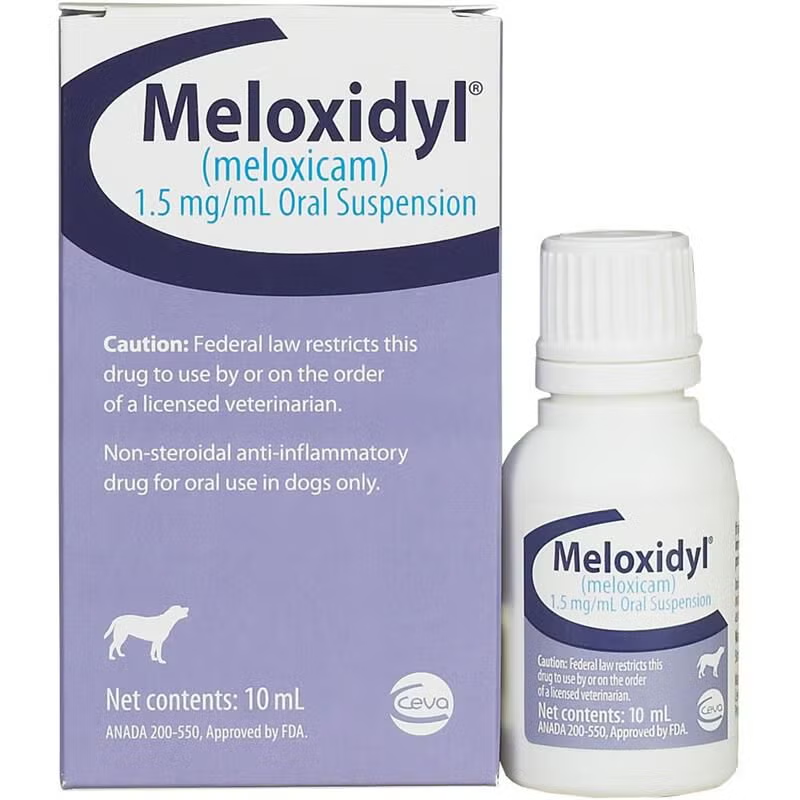
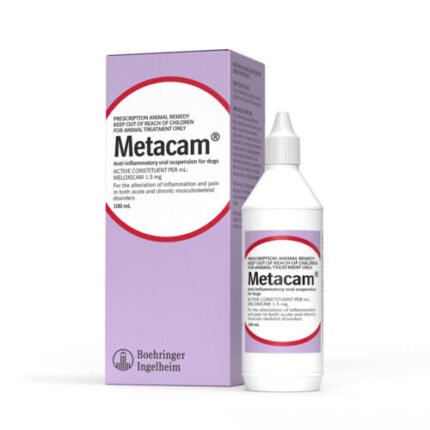
Meloxidyl 1.5mg/mL for Dogs is a veterinary oral suspension containing meloxicam, a non-steroidal anti-inflammatory drug (NSAID) used in dogs to alleviate pain and inflammation associated with acute and chronic musculoskeletal disorders. The product is formulated as a liquid suspension containing 1.5 mg of meloxicam per milliliter and is administered orally according to veterinary instructions.
Musculoskeletal disorders can affect dogs of different ages and sizes and may be associated with stiffness, discomfort, reduced activity, difficulty moving, or other changes in normal behavior. Veterinary pain management can be an important component of maintaining comfort and mobility when an underlying musculoskeletal condition has been diagnosed.
Meloxidyl should be used only according to the directions of a veterinarian. The appropriate treatment plan depends on the dog’s weight, age, medical history, existing health conditions, other medications, and response to therapy.
What Is Meloxidyl 1.5mg/mL?
Meloxidyl 1.5mg/mL is an oral suspension containing meloxicam 1.5 mg per mL. Meloxicam belongs to the oxicam class of NSAIDs. The product information identifies dogs as the target species and lists alleviation of inflammation and pain in both acute and chronic musculoskeletal disorders as its indication.
The liquid formulation allows the prescribed amount to be measured according to body weight using the measuring syringes supplied with the product. Accurate measurement is particularly important when administering NSAIDs because the dose is weight dependent.
How Meloxidyl Works
Meloxicam works by inhibiting prostaglandin synthesis. It has anti-inflammatory and analgesic properties and is classified as a non-steroidal anti-inflammatory medicine. The product information states that meloxicam inhibits cyclooxygenase-2 to a greater extent than cyclooxygenase-1, although NSAIDs can still produce adverse effects involving the gastrointestinal tract, kidneys, liver, and other systems.
Reducing inflammation and pain can help a dog with a diagnosed musculoskeletal disorder move more comfortably. Medication, however, is only one component of responsible management. Veterinary assessment, appropriate exercise, healthy body condition, nutrition, and treatment of the underlying condition can also be important.
Uses of Meloxidyl 1.5mg/mL for Dogs
Meloxidyl 1.5mg/mL is indicated for the alleviation of pain and inflammation associated with both acute and chronic musculoskeletal disorders in dogs.
Musculoskeletal disorders can involve bones, joints, muscles, ligaments, or other structures involved in movement. Depending on the underlying diagnosis, a veterinarian may recommend an NSAID as part of an individualized treatment plan.
Common signs that may prompt a veterinary examination include:
- Stiffness after resting
- Reluctance to climb stairs
- Reduced willingness to exercise
- Difficulty getting up
- Changes in gait
- Reduced mobility
- Sensitivity when moving
- Decreased activity
- Behavioral changes associated with discomfort
These signs can have many possible causes, so owners should not diagnose or treat the underlying condition themselves.
Meloxidyl for Acute Musculoskeletal Disorders
Acute musculoskeletal problems may occur following injury, excessive activity, or other circumstances affecting the muscles, joints, ligaments, or related tissues.
When a veterinarian determines that an NSAID is appropriate, meloxicam may be incorporated into a treatment plan to help alleviate associated pain and inflammation.
Treatment should always be based on veterinary assessment because similar symptoms can arise from very different conditions.
Meloxidyl for Chronic Musculoskeletal Disorders
Chronic musculoskeletal conditions can affect mobility and quality of life over an extended period. Dogs with persistent joint or musculoskeletal problems may require a comprehensive management program rather than medication alone.
A veterinarian may consider several factors when developing a long-term management plan, including:
- Body weight
- Age
- Activity level
- Severity of symptoms
- Existing medical conditions
- Current medications
- Previous response to treatment
- Appropriate exercise
- Nutritional management
Meloxidyl may form part of this approach when prescribed by the veterinarian.
Meloxidyl 1.5mg/mL Liquid Suspension
The 1.5mg/mL formulation is supplied as a pale yellow suspension. The product information states that measuring syringes are supplied and that the syringes are calibrated according to body weight to help with accurate administration.
The suspension should be shaken well before use, and the product information specifies oral administration mixed with food.
Owners should use the supplied measuring equipment rather than estimating the volume with household spoons or other uncalibrated utensils.
Meloxidyl Dosage and Administration
The product information specifies an initial treatment of 0.2 mg meloxicam per kg of body weight on the first day, followed by a maintenance dose of 0.1 mg meloxicam per kg once every 24 hours. The supplied syringes are calibrated for the maintenance dose, so the product information states that twice the maintenance volume is required on the first day.
Because Meloxidyl is a veterinary prescription medicine, the veterinarian should determine the appropriate regimen for the individual dog. Do not change the prescribed dose or frequency without veterinary advice.
The product information emphasizes particular care with dosing accuracy. For dogs below 7 kg, the smaller syringe is provided with graduations corresponding to 0.5 kg body weight; for dogs above 7 kg, the larger syringe has graduations corresponding to 2.5 kg body weight.
If no clinical improvement is apparent, the product information states that treatment should be discontinued after 10 days at the latest and veterinary advice should be sought.
Important Contraindications
Meloxidyl should not be used in certain circumstances. The product information states that it should not be used in:
- Pregnant or lactating animals
- Dogs with gastrointestinal disorders such as irritation or hemorrhage
- Dogs with impaired hepatic function
- Dogs with impaired cardiac function
- Dogs with impaired renal function
- Dogs with hemorrhagic disorders
- Animals with known hypersensitivity to the product
- Dogs younger than 6 weeks of age
A veterinarian should review the dog’s medical history before treatment.
Dehydration and Kidney Risk
Special care is required in dehydrated, hypovolaemic, or hypotensive animals because the product information identifies a potential increased risk of renal toxicity in these circumstances.
Owners should tell the veterinarian if their dog has recently experienced significant vomiting, diarrhea, poor water intake, dehydration, or another condition that could affect hydration status.
Meloxidyl and Other Medications
Medication interactions are an important consideration with NSAIDs. The product information states that Meloxidyl must not be administered together with other NSAIDs or glucocorticosteroids. It also identifies potential interactions involving diuretics, anticoagulants, aminoglycoside antibiotics, and substances with high protein binding.
Before treatment, tell the veterinarian about every medication, supplement, or veterinary product the dog is receiving.
The product information also states that previous treatment with anti-inflammatory substances can increase the risk of adverse effects and that an appropriate treatment-free period should be observed before beginning Meloxidyl, taking into account the pharmacokinetic characteristics of the previous medication.
Never combine prescription pain medications without veterinary instructions.
Possible Side Effects
As with other NSAIDs, adverse reactions can occur. The Meloxidyl product information reports occasional reactions including:
- Loss of appetite
- Vomiting
- Diarrhea
- Occult blood in feces
- Apathy or reduced activity
These reactions generally occur during the first treatment week and are often transient, but the product information notes that adverse reactions can, in very rare cases, be serious or fatal.
If a dog develops concerning symptoms during treatment, discontinue the product and contact a veterinarian for advice, consistent with the product information.
What Owners Should Watch For
During treatment, owners should pay attention to changes in appetite, digestion, energy, drinking, urination, behavior, and overall comfort.
Contact a veterinarian promptly if a dog develops:
- Repeated vomiting
- Persistent diarrhea
- Loss of appetite
- Blood in stool
- Marked lethargy
- Significant changes in drinking or urination
- Sudden worsening of clinical signs
- Any unusual or severe reaction
Early veterinary assessment can be important when an adverse drug reaction is suspected.
Why Accurate Administration Matters
Accurate dosing is especially important with veterinary NSAIDs. The prescribed quantity is determined by the dog’s body weight, and the Meloxidyl packaging includes weight-calibrated syringes to facilitate accurate administration.
Owners should:
- Shake the suspension well before use.
- Use the appropriate supplied syringe.
- Measure the prescribed amount carefully.
- Follow the veterinarian’s instructions regarding administration with food.
- Never increase the dose independently.
- Keep the product away from children and animals that should not receive it.
Storage and Product Handling
The product information states that Meloxidyl 1.5mg/mL does not require special storage conditions. The listed shelf life is three years when packaged for sale and six months after first opening.
Follow the storage and disposal instructions provided with the specific package you receive, since regulatory requirements and labeling can vary by market.
Veterinary Supervision
Meloxidyl is a veterinary medicine and should be used under professional supervision. The product is classified as POM-V in the UK product information, meaning it is a veterinary prescription medicine.
A veterinarian can determine whether meloxicam is suitable after considering:
- The dog’s diagnosis
- Body weight
- Age
- Hydration status
- Kidney function
- Liver function
- Gastrointestinal health
- Cardiovascular health
- Other medications
- Previous reactions to NSAIDs
This individualized approach helps reduce avoidable medication risks.
Meloxidyl and Canine Mobility
Pain and inflammation can affect a dog’s willingness to move. A dog experiencing musculoskeletal discomfort may become less active, which can contribute to loss of conditioning and, in some circumstances, additional mobility challenges.
Appropriate veterinary pain management may allow a dog to participate more comfortably in a carefully controlled activity program. However, exercise recommendations should be individualized. A dog with an acute injury may require rest or restricted activity rather than increased exercise.
Veterinary rehabilitation, weight management, controlled activity, appropriate bedding, and environmental modifications may also be useful depending on the diagnosis.
Buy Meloxidyl 1.5mg/mL for Dogs Online
When purchasing veterinary medication, product authenticity, correct formulation, storage, labeling, and compliance with local prescription regulations are important considerations.
Vet Pharma Med can present Meloxidyl 1.5mg/mL with clear product information so that customers can understand the formulation and intended veterinary use. Customers should follow the prescription and applicable laws in their country and obtain professional veterinary advice before administering the medicine.
Frequently Asked Questions
What is Meloxidyl 1.5mg/mL for Dogs?
Meloxidyl 1.5mg/mL is an oral suspension containing meloxicam, an NSAID used in dogs to alleviate pain and inflammation associated with acute and chronic musculoskeletal disorders.
What is the active ingredient in Meloxidyl?
The active ingredient is meloxicam. Each milliliter of the 1.5mg/mL suspension contains 1.5 mg of meloxicam.
Is Meloxidyl an NSAID?
Yes. Meloxicam is a non-steroidal anti-inflammatory drug belonging to the oxicam class.
What conditions is Meloxidyl used for?
The product is indicated for alleviating pain and inflammation associated with acute and chronic musculoskeletal disorders in dogs.
How is Meloxidyl administered?
It is administered orally. The product information instructs users to shake the suspension well before use and administer it mixed with food. A measuring syringe is supplied for accurate dosing.
What is the labeled meloxicam dose?
The product information specifies 0.2 mg/kg on the first day, followed by 0.1 mg/kg once daily at 24-hour intervals. The veterinarian should determine the appropriate treatment for the individual dog.
Can Meloxidyl be given with another NSAID?
No. The product information states that Meloxidyl must not be administered together with other NSAIDs or glucocorticosteroids.
Can Meloxidyl be given to puppies?
The product information states that Meloxidyl should not be used in dogs younger than 6 weeks of age.
Can Meloxidyl be used during pregnancy?
The product information states that Meloxidyl should not be used in pregnant or lactating animals.
What should I do if my dog develops side effects?
The product information advises discontinuing treatment and seeking veterinary advice if side effects occur.
How should Meloxidyl be stored?
The product information states that no special storage conditions are required. The labeled shelf life is three years unopened and six months after first opening. Always follow the instructions on the package supplied in your market.
Buy Meloxidyl 1.5mg/mL for Dogs Online
Meloxidyl 1.5mg/mL for Dogs is a liquid meloxicam NSAID formulated for oral veterinary use. It is indicated for the alleviation of pain and inflammation associated with acute and chronic musculoskeletal disorders in dogs. Its liquid presentation and supplied weight-calibrated syringes are designed to support accurate administration.
Because NSAIDs can cause clinically important adverse effects and interact with other medicines, Meloxidyl should be used only under veterinary direction. Appropriate patient selection, accurate weight-based administration, awareness of contraindications, and monitoring for adverse reactions are essential components of responsible treatment.
Reviews
There are no reviews yet.