
Etodolac 400mg Tablets – Prescription Nonsteroidal Anti-Inflammatory Medication
Etodolac 400mg Tablets
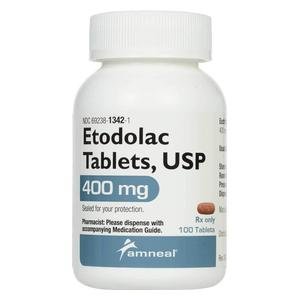
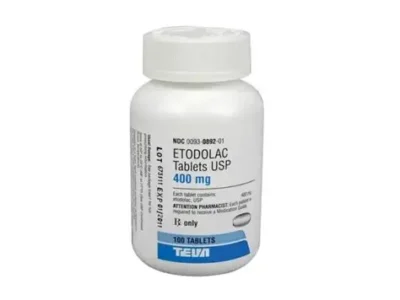
Etodolac 400mg Tablets contain etodolac, a prescription nonsteroidal anti-inflammatory drug (NSAID) used to reduce pain and inflammation. Current U.S. labeling identifies etodolac tablets as a human prescription medicine. The 400mg immediate-release tablet formulation is available under generic labeling, while extended-release 400mg formulations are separately labeled products.
At Vet Pharma Med, accurate product information is particularly important for medications that may be encountered in veterinary settings. Etodolac should not be presented as an FDA-approved veterinary NSAID for dogs or other animals. FDA’s currently marketed FDA-approved NSAIDs for dogs and cats do not include etodolac.
Veterinary use of a human prescription medication, where legally permitted, is a matter for a licensed veterinarian to determine. Pet owners should never independently administer human NSAIDs to an animal because the safety profile, appropriate dose, species considerations, and approved indications can differ substantially.
What Is Etodolac?
Etodolac is an NSAID that works by reducing the production of substances involved in pain and inflammation. It is prescribed in human medicine for conditions in which reduction of pain and inflammation is clinically appropriate.
Etodolac tablets are available in different strengths and formulations. The 400mg strength is one of the labeled immediate-release tablet strengths, while 400mg extended-release tablets are also available as a separate formulation. These products should not automatically be treated as interchangeable because their release characteristics and labeling differ.
Etodolac 400mg Active Ingredient
The active ingredient is etodolac.
Etodolac belongs to the NSAID class. Like other NSAIDs, it can reduce pain and inflammation but also carries clinically important risks. The current U.S. prescribing information includes boxed warnings concerning serious cardiovascular and gastrointestinal risks.
How Etodolac Works
NSAIDs such as etodolac affect cyclooxygenase pathways involved in the production of prostaglandins and other mediators associated with inflammation and pain.
Reducing these mediators can help relieve inflammatory pain. However, prostaglandins also have normal physiological functions, including roles in protecting the gastrointestinal tract and maintaining kidney blood flow. Consequently, reducing prostaglandin production can contribute to adverse effects in susceptible patients.
This balance between therapeutic benefit and potential harm is one reason etodolac should be taken only according to a healthcare professional’s prescription and instructions.
Uses of Etodolac 400mg Tablets
Etodolac tablets are prescription medicines used for pain and inflammatory conditions. The exact indication depends on the specific product labeling and prescribing circumstances.
Etodolac has been used in the management of conditions such as osteoarthritis and rheumatoid arthritis, where reducing inflammation, pain, swelling, and stiffness can form part of symptomatic treatment.
The medication does not cure the underlying cause of degenerative or inflammatory disease. Instead, it helps manage symptoms so that the underlying condition can be treated through an appropriate overall medical plan.
Etodolac and Osteoarthritis
Osteoarthritis can cause joint pain, stiffness, swelling, and reduced mobility. NSAIDs may be prescribed to help control symptoms associated with osteoarthritis.
For human patients, the prescriber considers factors such as age, cardiovascular health, gastrointestinal history, kidney function, liver function, concurrent medications, and the severity of symptoms before selecting an NSAID.
The same principles of individualized assessment are important when considering any medication.
Etodolac and Rheumatoid Arthritis
Etodolac may also be prescribed as symptomatic treatment for rheumatoid arthritis. Rheumatoid arthritis is a chronic inflammatory disease that requires appropriate medical management beyond pain control.
An NSAID can help manage pain and inflammation, but it does not replace disease-modifying treatment where such treatment is indicated.
Patients should follow the complete treatment plan established by their healthcare professional.
Etodolac 400mg Immediate-Release Tablets Versus Extended-Release
One important consideration when purchasing or describing etodolac is the formulation.
Etodolac 400mg immediate-release tablets and etodolac extended-release 400mg tablets are not simply two names for the same dosage form. Extended-release products are designed to release the medicine differently and have their own prescribing information. Current DailyMed information separately identifies etodolac immediate-release tablets and extended-release tablets.
A product page should therefore clearly state which formulation is being supplied.
Patients should never substitute an extended-release tablet for an immediate-release product, or vice versa, without professional advice.
Etodolac 400mg Dosage
The appropriate dosage of etodolac depends on the exact formulation, medical condition, patient characteristics, response to treatment, and prescriber’s instructions.
Because 400mg is the strength of the tablet rather than a universal instruction for how often it should be taken, customers should follow the prescription label exactly.
Do not:
- Take more than prescribed.
- Take doses more frequently than directed.
- Change from immediate-release to extended-release independently.
- Combine etodolac with another NSAID without medical advice.
- Give etodolac to an animal without veterinary direction.
The current U.S. labeling provides formulation-specific dosing information, so the exact package and formulation should always be checked before use.
Important Cardiovascular Warning
Etodolac, like other systemic NSAIDs, carries a boxed warning regarding serious cardiovascular thrombotic events.
The current U.S. label warns that NSAIDs can increase the risk of serious cardiovascular events, including myocardial infarction and stroke, and that the risk may occur early in treatment and increase with duration of use.
Patients with cardiovascular disease or cardiovascular risk factors should discuss these risks with their healthcare professional before taking etodolac.
CABG Surgery Warning
The U.S. prescribing information states that etodolac tablets at 400mg and 500mg are contraindicated in the setting of coronary artery bypass graft surgery.
Patients undergoing planned surgery should tell their healthcare team that they are taking etodolac.
Gastrointestinal Risks
NSAIDs can cause serious gastrointestinal adverse effects, including:
- Stomach irritation
- Ulceration
- Gastrointestinal bleeding
- Perforation
These complications can sometimes occur without warning.
The risk may be greater in people with previous gastrointestinal ulcers or bleeding, older adults, people taking certain interacting medicines, and those using higher doses or prolonged treatment.
Seek urgent medical attention for symptoms such as vomiting blood, black or bloody stools, severe abdominal pain, or other signs of gastrointestinal bleeding.
Kidney Considerations
NSAIDs can affect kidney function, particularly in susceptible patients.
Risk may be increased in people who are dehydrated, have existing kidney disease, have certain cardiovascular conditions, or take medications that affect kidney function.
Healthcare professionals may evaluate kidney function before and during treatment when clinically appropriate.
Patients should tell their prescriber about existing kidney problems before beginning etodolac.
Liver Considerations
Etodolac can also require caution in people with liver disease. The prescriber may consider liver function, other medications, and the overall health of the patient when determining whether etodolac is appropriate.
Unexplained symptoms such as unusual fatigue, jaundice, dark urine, or significant abdominal symptoms should be discussed promptly with a healthcare professional.
Drug Interactions
Etodolac can interact with other medicines.
Tell your doctor or pharmacist about all medications and supplements you take, including:
- Other NSAIDs
- Aspirin
- Anticoagulants
- Corticosteroids
- Certain blood-pressure medicines
- Diuretics
- Lithium
- Methotrexate
- Cyclosporine
- Other medicines affecting kidney function
- Certain antidepressants
The exact significance of an interaction depends on the medicines involved and the patient’s health status.
Do not assume that two pain medicines can safely be taken together simply because both were previously prescribed.
Etodolac and Other NSAIDs
Taking multiple NSAIDs together can increase the risk of adverse effects without necessarily providing additional therapeutic benefit.
Examples of NSAIDs include ibuprofen, naproxen, diclofenac, celecoxib, meloxicam, and other medicines in the same class.
A healthcare professional should review the complete medication list before another NSAID is added.
Etodolac for Dogs: Important Veterinary Information
Because Vet Pharma Med specializes in veterinary products, it is important to make a clear distinction between human etodolac and FDA-approved veterinary NSAIDs.
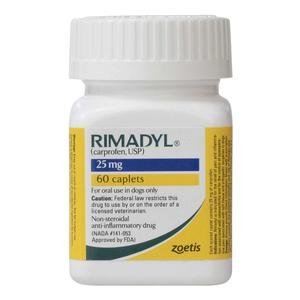
The FDA’s current information states that FDA-approved NSAIDs for dogs include medicines such as carprofen, deracoxib, firocoxib, grapiprant, and meloxicam. Etodolac is not included in that current list.
Therefore, Etodolac 400mg Tablets should not be marketed as an FDA-approved canine NSAID.
A veterinarian may sometimes consider extra-label use of a human medication under applicable veterinary regulations, but that decision belongs to the veterinarian. The animal’s species, weight, health conditions, concurrent medicines, and the availability of approved veterinary alternatives all matter.
Why Human NSAIDs Should Not Be Given to Pets Without Veterinary Advice
Dogs and other animals can respond differently to human medications. A tablet that is routinely prescribed to an adult human can be inappropriate or dangerous for an animal.
FDA emphasizes that veterinary NSAIDs require veterinary oversight because NSAIDs can affect the kidneys, liver, and gastrointestinal tract and can produce serious adverse effects.
If a pet has pain or inflammation, the owner should contact a veterinarian rather than choosing an NSAID from a human medicine cabinet.
Possible Side Effects
Potential adverse reactions associated with NSAIDs can involve the gastrointestinal, cardiovascular, renal, and hepatic systems.
Depending on the patient and treatment circumstances, concerning symptoms may include:
- Stomach pain
- Nausea
- Vomiting
- Diarrhea
- Gastrointestinal bleeding
- Swelling
- Changes in blood pressure
- Kidney problems
- Liver problems
- Cardiovascular events
- Allergic reactions
The presence of a particular symptom does not establish that etodolac caused it, but significant or unexpected symptoms should be evaluated by a healthcare professional.
Allergic Reactions
Some people can experience hypersensitivity reactions to NSAIDs.
Patients with a history of asthma, urticaria, or allergic-type reactions associated with aspirin or other NSAIDs should tell their healthcare provider before taking etodolac.
Symptoms such as facial swelling, difficulty breathing, severe rash, or other signs of a serious allergic reaction require urgent medical attention.
Pregnancy and Breastfeeding
Pregnancy and breastfeeding considerations should be discussed with a healthcare professional before using etodolac.
NSAIDs can have important risks during pregnancy, particularly later in pregnancy, and the prescribing professional should determine whether treatment is appropriate.
Never start or continue prescription NSAID therapy during pregnancy without professional advice.
Older Adults
Older adults may have a higher risk of complications associated with NSAIDs, including gastrointestinal, renal, and cardiovascular adverse effects.
A prescriber may therefore consider the lowest effective dose for the shortest appropriate duration while reviewing other medications and existing health conditions.
Etodolac and Long-Term Treatment
Long-term NSAID treatment requires careful consideration because certain adverse risks can increase with duration of exposure.
The prescribing healthcare professional may periodically reassess:
- Pain control
- Inflammation
- Blood pressure
- Kidney function
- Liver function
- Gastrointestinal symptoms
- Cardiovascular risk
- Continued need for treatment
The objective is to maintain an appropriate balance between symptom control and medication safety.
Safe Handling of Etodolac 400mg Tablets
Store etodolac according to the instructions supplied with the specific product.
Keep tablets:
- In their original container when appropriate
- Away from excessive heat and moisture
- Out of reach of children
- Away from pets
- Properly labeled
Do not share prescription medication with another person.
Why Accurate Product Information Matters
For an online pharmacy or veterinary-focused website, product descriptions should provide accurate information rather than making exaggerated claims.
A high-quality Etodolac 400mg product page should clearly identify:
- Active ingredient
- Strength
- Tablet formulation
- Prescription status
- Intended human use
- Important warnings
- Potential interactions
- Veterinary limitations
- Storage information
- Appropriate professional supervision
This approach creates a more trustworthy resource for customers searching for etodolac online.
Buy Etodolac 400mg Tablets Online
Customers searching for Etodolac 400mg Tablets should verify the exact product formulation and follow applicable prescription requirements.
Vet Pharma Med can provide clear product information for customers researching etodolac while emphasizing that the 400mg tablets are a human prescription NSAID and should not be represented as an FDA-approved veterinary medication.
Where an animal is involved, customers should consult a licensed veterinarian before using etodolac or any other human NSAID.
Frequently Asked Questions
What is Etodolac 400mg used for?
Etodolac is a prescription NSAID used to relieve pain and inflammation. Specific approved indications depend on the product’s labeling and jurisdiction.
Is Etodolac an NSAID?
Yes. Etodolac is a nonsteroidal anti-inflammatory drug.
Is Etodolac 400mg available by prescription?
Current U.S. DailyMed listings identify etodolac tablets as human prescription drugs.
Can Etodolac 400mg be used for dogs?
Etodolac is not currently listed by FDA among the marketed FDA-approved NSAIDs for dogs. A veterinarian may determine whether an extra-label medication is appropriate under applicable regulations, but owners should never administer etodolac to a dog without veterinary direction.
Is Etodolac the same as Meloxicam?
No. Etodolac and meloxicam are different active ingredients, although both belong to the NSAID class.
Can Etodolac be taken with ibuprofen?
Both are NSAIDs. Combining them can increase the risk of adverse effects and should not be done unless specifically directed by a healthcare professional.
Does Etodolac cause stomach problems?
NSAIDs can cause gastrointestinal irritation, ulceration, bleeding, and perforation. Seek medical attention for signs of gastrointestinal bleeding or severe abdominal symptoms.
Can Etodolac affect the kidneys?
Yes. NSAIDs can affect kidney function, particularly in susceptible patients. Existing kidney disease and certain interacting medications should be discussed with a healthcare professional.
Is Etodolac 400mg an extended-release tablet?
Not necessarily. Both immediate-release and extended-release etodolac products can be available in a 400mg strength. The specific product label should be checked carefully.
Can I give Etodolac to my pet instead of a veterinary NSAID?
Do not make that substitution yourself. FDA-approved veterinary NSAIDs have species-specific labeling and safety information. A veterinarian should determine which medication is appropriate for an animal.
Final Product Summary
Etodolac 400mg Tablets contain etodolac, a prescription NSAID used to manage pain and inflammation. Current U.S. labeling identifies these tablets as human prescription medicines and includes significant cardiovascular and gastrointestinal safety warnings.
For Vet Pharma Med, the product should be described accurately as a human prescription medication, rather than an approved veterinary NSAID. Etodolac is not among the FDA-approved NSAIDs currently marketed for dogs and cats.
Appropriate professional assessment, careful medication review, attention to contraindications, and monitoring for adverse reactions are important whenever etodolac is prescribed.
Reviews
There are no reviews yet.