Buy Ketoconazole Tablets for Cats Online: The Definitive Guide to Imidazole Antifungal Kinetics, Systemic Mycosis Treatment, Dermatophytosis Control, and Feline Healthcare
Managing stubborn fungal infections, deep systemic mycoses, severe dermatophytosis (ringworm), and persistent malassezia dermatitis in feline patients requires a broad-spectrum, high-potency systemic antifungal agent. When cats suffer from deep fungal pathogens, chronic skin lesions, or resistant nail-bed infections, superficial topical shampoos and ointments often fail to penetrate deep tissue reservoirs.
Left unmanaged, systemic and deep-seated fungal infections spread aggressively, causing chronic tissue destruction, severe systemic illness, and prolonged discomfort.
Relying solely on topical treatments during widespread fungal outbreaks is ineffective because pathogens establish deep colonies within hair follicles, claws, and internal organ systems.
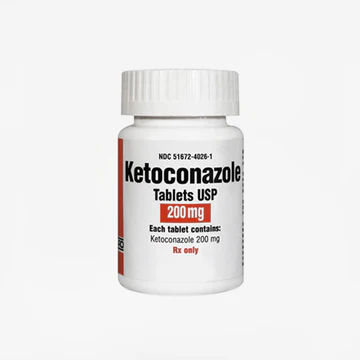
To provide systemic antifungal potency and eradicate stubborn fungal cell walls, veterinarians and feline specialists rely on proven imidazole formulations. Ketoconazole Tablets (commonly formulated as $200\ \text{mg}$ tablets or specialized veterinary oral suspensions) are a premier, professional-grade synthetic antifungal agent. Packaged in precise dosing formats, ketoconazole acts swiftly to disrupt fungal membrane synthesis and clear stubborn systemic and cutaneous fungal infections in cats.
This comprehensive guide covers imidazole pharmacology, fungal cell wall disruption kinetics, clinical indications, and precise administration protocols for Ketoconazole in cats.
Imidazole Pharmacology & Antifungal Action Kinetics
Ketoconazole delivers a targeted biochemical mechanism engineered to inhibit fungal cell membrane formation and halt replication:
                  [Ketoconazole Oral Tablet Administered to Feline Patient]
                                           |
                  [Gastrointestinal Absorption into Blood Plasma Pools]
                                           |
               [Systemic Tissue Diffusion & Inhibition of Fungal Cytochrome P450]
                                           |
               -------------------------------------------------
              |                                                 |
     [ERGSTEROL SYNTHESIS BLOCK]                 [FUNGAL MEMBRANE DISRUPTION]
   (Inhibits C14-alpha Demethylase)              (Increases Cellular Permeability)
              |                                                 |
              v                                                 v
   [Halts Fungal Cell Wall Growth]             [Leaching of Essential Intracellular Ions]
   (Stops Hyphae & Spore Replication)          (Induces Fungal Cell Lysis & Death)
              |                                                 |
              v                                                 v
   [Clears Systemic & Cutaneous Reservoirs]    [Eliminates Persistent Malassezia & Ringworm]
              |                                                 |
               =========================> <=====================
                                           |
                                           v
                   [Complete Eradication of Feline Fungal Pathogens]
                                           |
                   [Rapid Restoration of Healthy Skin, Coat, & Systemic Vitality]
1. Inhibition of Ergosterol Synthesis (Cytochrome P450 Blockade)
Ketoconazole is a broad-spectrum synthetic imidazole antifungal agent. It exerts its fungistatic and fungicidal action by inhibiting the fungal enzyme cytochrome P450 14$\alpha$-demethylase, which is responsible for converting lanosterol into ergosterol—a vital structural component of fungal cell membranes. Blocking ergosterol synthesis causes membrane instability, increased permeability, and cell lysis.
2. Broad-Spectrum Tissue Penetration
-
Cutaneous and Deep Reservoir Targeting: Ketoconazole distributes effectively into skin, hair follicles, claws, and systemic lipid tissues, making it highly effective against stubborn dermatophytes and deep systemic mycoses.
-
Synergistic Antifungal Action: Suppresses spore germination and halts hyphal elongation across both dermatophytes (Microsporum and Trichophyton species) and yeast organisms (Malassezia).
Primary Clinical & Feline Health Indications
Ketoconazole Tablets are an essential therapeutic tool for veterinary clinics managing feline dermatological and systemic fungal conditions:
-
Generalized Dermatophytosis (Ringworm): Treats severe, widespread, or multi-cat ringworm infections that fail to respond to topical lime sulfur or enilconazole dips alone.
-
Malassezia Dermatitis & Otitis: Clears stubborn yeast infections affecting feline skin folds, ear canals, and claw folds.
-
Systemic Mycoses (Adjunctive Care): Used under veterinary supervision in the management of deep systemic fungal infections such as blastomycosis, histoplasmosis, or cryptococcosis when appropriate.
-
Endocrine Supportive Care: Historically utilized in specialized veterinary settings to manage feline hyperadrenocorticism ($\text{Cushing’s disease}$) by inhibiting steroidogenic enzymes, though primary antifugals remain its core indication.
Recommended Administration and Dosing Protocols
To guarantee safety, proper bioavailability, and digestive tolerance, ketoconazole must be administered strictly according to approved feline veterinary guidelines.
Dosing Reference Table
The table below outlines standard administration guidelines for Ketoconazole in cats:
| Feline Weight Category | Standard Dosage Benchmark | Tablet Strength & Volume | Administration Route | Frequency |
| Small Cats / Kittens ($5 – 7\ \text{lbs}$) | $5–10\ \text{mg/kg}$ body weight | Quarter tablet of $200\ \text{mg}$ (approx $25\ \text{mg}$) | Oral (with food) | Once daily or divided twice daily |
| Standard Adult Cats ($8 – 12\ \text{lbs}$) | $5–10\ \text{mg/kg}$ body weight | Quarter to Half tablet (approx $25–50\ \text{mg}$) | Oral (with food) | Once daily or divided twice daily |
| Large Felines ($13+\ \text{lbs}$) | $5–10\ \text{mg/kg}$ body weight | Half tablet (approx $50\ \text{mg}$) | Oral (with food) | Once daily or divided twice daily |
Clinical Safety, Contraindications, and Storage
-
Feline Sensitivity & Hepatic Monitoring: Cats are more sensitive to the adverse effects of azole antifungals than dogs. Baseline and periodic hepatic enzyme blood panels are strongly recommended during treatment to monitor liver function.
-
Gastrointestinal Tolerance: Mild nausea, decreased appetite, or vomiting can occur. Administering ketoconazole with food significantly reduces digestive upset. Discontinue and consult your veterinarian immediately if complete inappetence or jaundice occurs.
-
Pregnancy Contraindication: Do not use ketoconazole in pregnant cats, as imidazole antifungals possess potential teratogenic properties and can cause reproductive complications.
-
Storage Parameters: Store tablets at controlled room temperature between 15°C and 30°C (59°F to 86°F). Keep tightly closed in a dry location out of reach of children and pets.
Frequently Asked Questions (FAQ)
What is the active ingredient in Ketoconazole tablets?
Ketoconazole tablets contain ketoconazole, a synthetic broad-spectrum imidazole antifungal agent that disrupts fungal cell wall formation.
Can Ketoconazole be given on an empty stomach to cats?
No. Ketoconazole requires dietary fats and gastric acid for optimal absorption. Always administer ketoconazole with a meal or a palatable food treat to enhance efficacy and reduce stomach upset.
Are blood tests necessary when cats take ketoconazole?
Yes. Because ketoconazole is processed by the liver, veterinarians generally recommend baseline and periodic blood chemistry panels to monitor hepatic enzyme levels and ensure safe processing.
Where can I buy genuine Ketoconazole Tablets online?
You can safely purchase authentic, veterinarian-approved Ketoconazole Tablets online through Vet Pharma Med. We manage and store all veterinary pharmaceutical inventory under strict environmental controls to guarantee absolute product freshness, safety, and full potency.
Secure Premium Sourcing from Vet Pharma Med
At Vet Pharma Med, we understand that managing feline fungal infections and skin pathogens requires absolute product reliability. Every batch of Ketoconazole Tablets is sourced through authorized veterinary distribution networks, stored in our climate-controlled warehouse, and shipped securely to ensure complete product quality.
Reviews
There are no reviews yet.