
Buy Lixotinic Vitamin & Iron Supplement for Horses Online
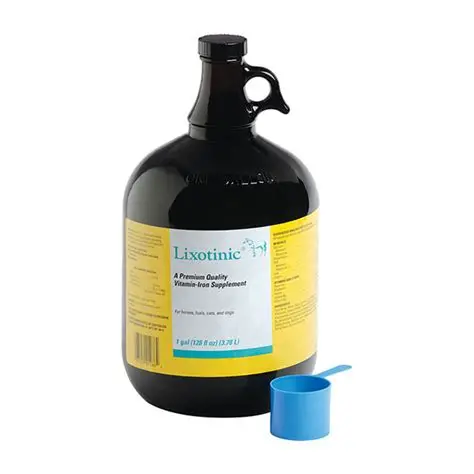
Lixotinic Vitamin & Iron Supplement is a liquid nutritional supplement formulated to provide horses and other livestock with a combination of vitamins, iron and other nutritional ingredients. It has traditionally been used as a nutritional adjunct where additional vitamin and mineral support is desired.
Lixotinic is particularly relevant to horse owners managing animals in training, growing horses, animals recovering from periods of stress, and livestock requiring additional nutritional support. However, the complete ration should always be considered before adding an iron-containing supplement.
Iron has an important physiological role because it contributes to normal hemoglobin production and oxygen transport. B-complex vitamins participate in numerous metabolic processes, while other vitamins and trace nutrients contribute to normal growth, maintenance and general health.
Lixotinic should therefore be viewed as a nutritional supplement rather than a replacement for veterinary treatment. If a horse has anemia, unexplained fatigue, weight loss, poor appetite or reduced performance, the underlying cause should be investigated by a veterinarian.
What Is Lixotinic?
Lixotinic is a liquid vitamin-and-iron supplement used in animal nutrition.
Its liquid format makes it convenient to incorporate into a horse’s daily ration.
Depending on the specific market and product formulation, Lixotinic may contain a combination of:
- Iron
- Vitamin B1
- Vitamin B2
- Vitamin B6
- Vitamin B12
- Niacin
- Vitamin A
- Vitamin D
- Vitamin E
- Other nutritional ingredients
Because formulations and labels can differ by country and manufacturer, the product label supplied with the exact Lixotinic product should always be considered authoritative.
Lixotinic for Horses
Horses require a balanced supply of nutrients to maintain normal health.
The nutritional requirements of an adult maintenance horse can differ considerably from those of:
- A racehorse
- A sport horse
- A growing yearling
- A broodmare
- A senior horse
- A horse recovering from illness
Lixotinic can be incorporated into a broader feeding program when additional vitamin and iron supplementation is appropriate.
Lixotinic and Iron
Iron is an essential mineral.
One of its most important physiological functions is participation in hemoglobin, the protein responsible for carrying oxygen within red blood cells.
Adequate oxygen transport is important for:
- Muscular function
- Aerobic energy production
- Normal exercise capacity
- General physiological function
However, iron supplementation should be approached thoughtfully.
A horse does not necessarily benefit from additional iron simply because it is an athletic animal.
Lixotinic and Red Blood Cells
Red blood cells transport oxygen from the lungs to tissues throughout the body.
A horse with inadequate iron availability may have difficulty maintaining normal hemoglobin production.
However, low red-blood-cell values can have many causes.
Potential causes can include:
- Blood loss
- Parasites
- Chronic disease
- Nutritional deficiencies
- Inflammation
- Other medical conditions
Therefore, Lixotinic should not be used as a substitute for diagnosing anemia.
Lixotinic and B Vitamins
B-complex vitamins are involved in many metabolic pathways.
They can contribute to normal:
- Energy metabolism
- Carbohydrate utilization
- Protein metabolism
- Nervous-system function
- Cellular processes
Lixotinic is designed to provide nutritional support by combining vitamins with iron.
Lixotinic and Vitamin B12
Vitamin B12 is important for normal metabolism and blood-cell formation.
It is commonly included in equine nutritional supplements marketed toward active or recovering animals.
Supplementation can be appropriate when dietary requirements warrant additional intake, but more is not necessarily better.
Lixotinic and Vitamin B1
Vitamin B1, or thiamine, participates in carbohydrate metabolism and energy production.
This makes it an important nutrient for horses with active lifestyles.
A balanced equine diet normally supplies many B vitamins through feed and microbial activity within the hindgut.
Lixotinic and Vitamin B2
Vitamin B2, or riboflavin, participates in normal energy metabolism.
It is another member of the B-complex family that may be included in vitamin-and-mineral supplements.
Lixotinic and Vitamin B6
Vitamin B6 participates in amino-acid metabolism and other normal physiological processes.
It complements the broader B-vitamin profile of a nutritional supplement such as Lixotinic.
Lixotinic for Performance Horses
Performance horses have increased nutritional demands because exercise requires greater energy expenditure.
Depending on workload, a performance horse may need careful management of:
- Calories
- Protein
- Minerals
- Vitamins
- Electrolytes
- Water
- Forage
Lixotinic can be considered where the horse’s nutritional program requires additional vitamin and iron support.
It should not be presented as a substitute for proper conditioning.
Lixotinic for Racehorses
Racehorses are subject to demanding training schedules.
Their nutritional program should support:
- Cardiovascular health
- Muscular development
- Energy metabolism
- Recovery
- Hydration
- Appropriate body condition
Lixotinic may form part of a nutritional routine where additional supplementation is appropriate.
Competition regulations should always be reviewed before feeding any supplement to a racehorse.
Lixotinic for Sport Horses
Sport horses participating in jumping, dressage, eventing, endurance and other disciplines may have different nutritional requirements.
The appropriate supplement depends on the horse’s:
- Age
- Weight
- Workload
- Diet
- Health
- Competition schedule
A supplement should complement the complete ration rather than compensate for deficiencies in basic feeding.
Lixotinic for Growing Horses
Growing horses require carefully balanced nutrition.
Young horses need nutrients for:
- Bone development
- Muscle development
- Growth
- Healthy connective tissue
- Normal immune function
Adding supplements without considering the complete diet can result in unnecessary nutrient intake.
Young horses should therefore be managed with particular nutritional care.
Lixotinic for Foals
Foals have rapidly changing nutritional needs.
Their diet should be designed around appropriate forage, energy, protein, minerals and vitamins.
Any additional vitamin or iron supplementation should be discussed with a veterinarian or equine nutrition professional when there is uncertainty about nutritional requirements.
Lixotinic for Yearlings
Yearlings are still developing rapidly.
A balanced feeding program is essential to avoid both undernutrition and excessive nutrient intake.
Lixotinic may be used where appropriate according to the specific product label, but it should not replace a complete growth-oriented ration.
Lixotinic for Senior Horses
Older horses may experience changes in:
- Dental health
- Digestive efficiency
- Weight
- Muscle mass
- Nutrient utilization
Senior horses may therefore require carefully selected feeds and supplements.
Persistent weight loss or poor appetite should be evaluated rather than attributed solely to a vitamin deficiency.
Lixotinic During Recovery
Periods of illness, transport, stress or reduced appetite can alter a horse’s nutritional status.
During recovery, nutritional priorities may include:
- Adequate calories
- Quality forage
- Protein
- Water
- Electrolytes
- Vitamins and minerals
Lixotinic may provide additional nutritional support when appropriate, but veterinary care remains essential when illness is present.
Lixotinic for Horses Under Stress
Transport, competition, environmental changes and intensive training can place physiological demands on horses.
Stress management should focus on:
- Appropriate feeding
- Hydration
- Adequate rest
- Good stable management
- Gradual changes
- Veterinary care where necessary
A vitamin supplement should not be considered a cure for chronic stress.
Lixotinic and Appetite
Liquid nutritional supplements are sometimes incorporated into feed because they can be easier to administer than tablets or capsules.
If a horse suddenly refuses feed, however, the underlying cause should be investigated.
Potential causes include:
- Dental problems
- Gastric discomfort
- Illness
- Pain
- Stress
- Feed quality
- Sudden diet changes
Lixotinic and Energy
B vitamins participate in energy metabolism, but Lixotinic should not be confused with a concentrated energy feed.
The horse’s primary energy supply comes from its overall ration.
Adequate calories, forage and appropriate concentrate feed remain fundamental.
Lixotinic and Exercise Recovery
Recovery after exercise depends on numerous factors.
These include:
- Hydration
- Electrolyte balance
- Nutrition
- Rest
- Fitness
- Training intensity
Lixotinic may complement a balanced nutritional program but should not be regarded as a standalone recovery product.
Lixotinic and Oxygen Transport
Iron is particularly important because of its role in hemoglobin.
Hemoglobin binds oxygen and transports it through the bloodstream.
This physiological role makes iron relevant to athletic animals.
Nevertheless, horses should not automatically receive additional iron simply because they compete.
Lixotinic and Anemia
One of the most common reasons owners consider iron supplementation is concern about anemia.
Anemia, however, is a clinical finding rather than a single disease.
The appropriate treatment depends on its cause.
For example, a horse experiencing blood loss may require very different management from one with chronic inflammatory disease.
A veterinarian may recommend blood testing before determining whether additional iron is appropriate.
Lixotinic and Veterinary Bloodwork
When a horse demonstrates:
- Persistent fatigue
- Poor performance
- Pale mucous membranes
- Weakness
- Weight loss
- Slow recovery
veterinary bloodwork may provide useful information.
Blood tests can help assess red-blood-cell parameters and other aspects of health.
This can prevent unnecessary supplementation.
Lixotinic and Balanced Horse Feed
A quality forage-based diet is the foundation of equine nutrition.
Depending on the horse, additional feed may be necessary to provide:
- Calories
- Protein
- Minerals
- Vitamins
Supplements should be selected after considering the existing ration.
This avoids unnecessary duplication.
Lixotinic and Trace Minerals
Trace minerals are needed in relatively small amounts but still contribute to normal physiological functions.
Depending on the product formulation, a vitamin-and-mineral supplement may provide additional trace nutrients.
The exact ingredients should be verified on the current product label.
Lixotinic Liquid Formula
The liquid format can provide several practical advantages.
It can be:
- Measured easily
- Added to feed
- Used in stable feeding programs
- Incorporated into routine nutrition
The liquid form can also be useful for horses that resist tablets or powders.
How to Feed Lixotinic
The exact feeding amount depends on the specific Lixotinic formulation, animal species, age and product label.
Owners should not rely on dosage information copied from another country or an older version of the product.
Always:
- Read the current label.
- Measure accurately.
- Add to the recommended amount of feed.
- Ensure the horse consumes the complete ration.
- Monitor the animal’s condition.
Lixotinic Storage
Liquid nutritional supplements should be stored according to the manufacturer’s instructions.
Good practice includes:
- Keep the container properly closed.
- Store away from excessive heat.
- Avoid contamination.
- Keep away from children.
- Check the expiration date.
- Follow label-specific storage requirements.
Lixotinic for Competition Horses
Competition organizations can regulate certain substances and may have rules concerning supplements.
Before feeding Lixotinic to a competition horse, owners should check:
- Current prohibited-substance lists
- Ingredient declarations
- Competition regulations
- Withdrawal or stand-down requirements where applicable
Rules vary between organizations and countries.
Lixotinic and Racing
Racing environments often have strict medication-control systems.
Trainers should maintain accurate records of all products administered to racehorses.
This includes:
- Prescription medicines
- Injectable products
- Supplements
- Vitamins
- Herbal products
A product being sold as a nutritional supplement does not automatically mean it is permitted under every racing authority’s rules.
Buying Lixotinic Vitamin Iron Supplement Online
Customers researching Lixotinic may search for:
- Buy Lixotinic Online
- Lixotinic Vitamin Iron Supplement
- Lixotinic for Horses
- Lixotinic Horse Supplement
- Lixotinic Liquid Supplement
- Lixotinic Iron Supplement
- Lixotinic Vitamin Supplement for Horses
- Lixotinic Equine Supplement
- Lixotinic B Vitamin Supplement
- Lixotinic for Livestock
Product names and formulations should be confirmed before ordering because different regional labels may use slightly different descriptions.
Lixotinic in the USA
Customers in the United States should verify the current label, manufacturer information, package size and intended species before purchase.
Competition horse owners should also review the rules of the relevant racing or equestrian organization.
Lixotinic in Canada
Canadian customers should verify the exact Canadian product label and any requirements applying to animals intended for food.
Lixotinic in Australia
Australian horse owners should check local product labeling and applicable equestrian or racing requirements.
Lixotinic in Mexico
Mexican customers should verify the current availability, labeling and local regulatory requirements before purchase.
Lixotinic in France, Germany, Spain and the Netherlands
European customers should verify the product’s local availability and labeling.
Import requirements and competition rules can vary across countries.
International Horse Owners
Before ordering Lixotinic internationally, confirm:
- Exact product formulation
- Manufacturer
- Bottle size
- Intended species
- Expiration date
- Storage requirements
- Local import requirements
- Competition status
This helps ensure that the product purchased matches the animal’s intended use.
Frequently Asked Questions
What is Lixotinic?
Lixotinic is a liquid vitamin and iron nutritional supplement used in animal feeding, including equine nutrition.
What is Lixotinic used for?
It is used to supplement the diet with iron and vitamins where additional nutritional support is appropriate.
Is Lixotinic for horses?
Yes, Lixotinic has been marketed for use in horses and other livestock.
Does Lixotinic contain iron?
Yes. Iron is a central component of the product’s nutritional formulation.
Does Lixotinic contain B vitamins?
Yes. Lixotinic formulations are designed around a combination of vitamins that can include several B-complex vitamins.
Is Lixotinic an injection?
No. Lixotinic is generally supplied as a liquid oral nutritional supplement.
Can I give Lixotinic to a racehorse?
It may be used as a nutritional supplement, but racehorse owners should check current competition regulations before administration.
Does Lixotinic treat anemia?
It provides nutritional iron, but it should not be regarded as a universal treatment for anemia. A veterinarian should determine the cause of anemia before treatment.
Can Lixotinic improve performance?
Adequate nutrition supports normal physiological function, but Lixotinic should not be marketed as a guaranteed performance enhancer.
Can Lixotinic replace a balanced horse feed?
No. It is intended to complement an appropriate diet.
Can Lixotinic be used for young horses?
The exact suitability and feeding amount should be confirmed from the current product label for the particular formulation.
Can Lixotinic be used during recovery?
It may provide nutritional support during recovery when appropriate, but horses recovering from illness should receive appropriate veterinary care.
How should Lixotinic be stored?
Follow the storage instructions on the current product label. Generally, liquid supplements should be kept sealed and protected from excessive heat and contamination.
Is Lixotinic suitable for every horse?
No. Nutritional requirements vary between horses, and supplementation should be based on the individual animal’s diet and needs.
Lixotinic Vitamin & Iron Supplement — Vet Pharma Med
Lixotinic Vitamin & Iron Supplement is a liquid nutritional product designed to complement the diet of horses and other animals with additional vitamins and iron. Its nutritional profile makes it particularly relevant to owners managing horses in training, competition, growth or recovery.
Iron contributes to normal hemoglobin formation and oxygen transport, while B vitamins participate in important metabolic processes. Together, these nutrients have important roles in maintaining normal physiological function when supplied as part of an appropriately balanced diet.
For performance horses, nutrition should always be considered as a complete system. Forage, calories, protein, minerals, electrolytes, water and recovery all contribute to athletic health. A vitamin-and-iron supplement cannot compensate for inadequate feeding, poor conditioning or an undiagnosed medical problem.
Owners considering Lixotinic because of suspected anemia, poor performance or unexplained fatigue should seek veterinary advice. Blood testing may help determine whether a genuine nutritional deficiency exists and whether iron supplementation is appropriate.
For customers searching for Lixotinic Vitamin Iron Supplement, Lixotinic for Horses, Lixotinic Liquid Horse Supplement, or Lixotinic Iron Supplement Online, the most important purchasing considerations are the exact formulation, intended species, current label, expiration date and local regulatory requirements.
Competition horse owners should additionally verify current medication and supplement rules before use. Requirements can differ between racing authorities, equestrian organizations and countries.
Vet Pharma Med provides detailed product information for horse owners, trainers and animal-care professionals researching nutritional supplements and veterinary products for horses in the USA, Canada, Australia, Mexico, France, Germany, Spain, the Netherlands and other international markets



Reviews
There are no reviews yet.