
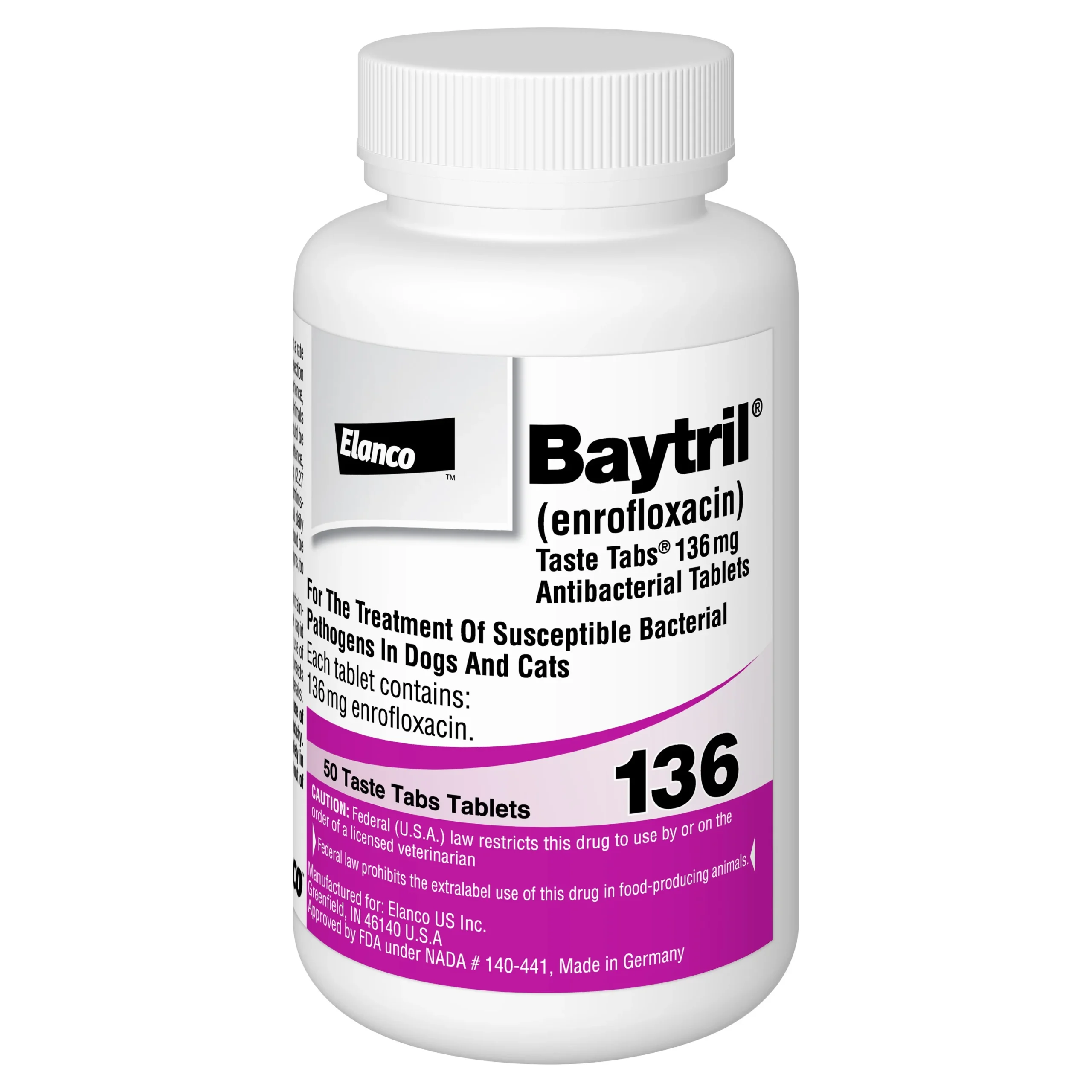
Baytril Antibacterial Taste Tabs for Dogs and Cats
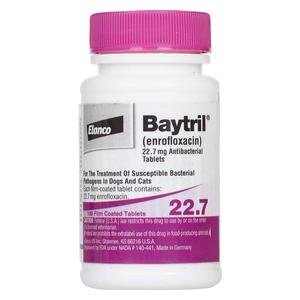
Baytril Antibacterial Taste Tabs are veterinary oral antibacterial tablets containing enrofloxacin, a fluoroquinolone antimicrobial used for the management of diseases in dogs and cats associated with bacteria susceptible to enrofloxacin. The current U.S. product labeling identifies Baytril Taste Tabs in 22.7 mg, 68 mg and 136 mg strengths.
Baytril is a prescription veterinary medicine, and U.S. labeling states that its use is restricted to or on the order of a licensed veterinarian.
The Taste Tabs formulation is designed as an oral tablet for dogs and cats. Because bacterial infections can vary significantly in their cause, location and susceptibility to antibiotics, Baytril should be used only when a veterinarian has determined that enrofloxacin is an appropriate choice.
Antibiotic selection is an important part of responsible veterinary medicine. The goal is not simply to use a broad-spectrum antibacterial whenever an animal appears unwell. Instead, veterinarians consider the suspected or confirmed pathogen, infection site, clinical signs, previous treatment, patient factors and available susceptibility information when deciding whether enrofloxacin is appropriate.
Baytril Taste Tabs can therefore be a valuable veterinary option when properly prescribed, while responsible use helps preserve antibiotic effectiveness and reduces unnecessary antimicrobial exposure.
What Is Baytril Antibacterial Taste Tabs?
Baytril Taste Tabs are flavored oral tablets containing enrofloxacin.
The official U.S. label describes enrofloxacin as a synthetic antibacterial belonging to the quinolone carboxylic acid class. It has activity against a broad range of Gram-negative and Gram-positive bacteria, although the susceptibility of individual organisms can vary.
The tablets are available in three strengths:
- 22.7 mg enrofloxacin
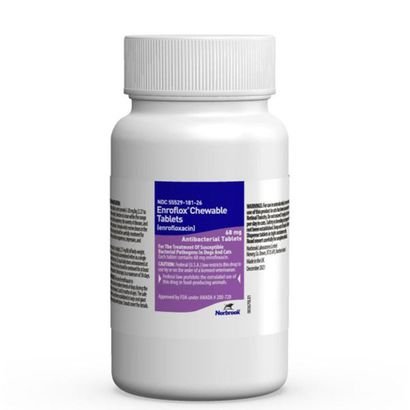
- 68 mg enrofloxacin
- 136 mg enrofloxacin
The current U.S. label lists Baytril Taste Tabs for dogs and cats.
The flavored tablet format can make oral administration more practical for some pets, although individual animals can still have preferences or difficulties taking tablets.
Enrofloxacin: The Active Ingredient
The active ingredient in Baytril Taste Tabs is enrofloxacin.
Enrofloxacin belongs to the fluoroquinolone family of antibacterial medicines.
It works by interfering with bacterial enzymes involved in DNA replication and maintenance. This ultimately prevents susceptible bacteria from reproducing and can result in bacterial cell death.
Because enrofloxacin is an antibacterial drug rather than a general treatment for every type of illness, it is important to establish whether a patient’s condition is actually associated with susceptible bacteria.
Viral infections, fungal infections, parasitic diseases and many noninfectious conditions will not automatically respond to an antibacterial simply because an animal has symptoms such as coughing, diarrhea, nasal discharge or inflammation.
Baytril for Dogs
Baytril Taste Tabs are approved for use in dogs when prescribed for diseases associated with bacteria susceptible to enrofloxacin.
Dogs can develop bacterial infections affecting different body systems, including certain infections involving the urinary tract, skin, respiratory system and other tissues.
However, the appropriate antibiotic depends on the infection and the causative organism.
Veterinarians may use clinical examination, laboratory testing, bacterial culture and susceptibility testing to help determine the most appropriate antimicrobial.
Baytril should therefore be viewed as a prescription treatment rather than an over-the-counter remedy for unexplained symptoms.
Baytril for Cats
Baytril Taste Tabs are also labeled for cats.
The use of enrofloxacin in cats requires particular care because cats have a narrower safety margin for this drug than dogs, particularly at excessive doses.
The official labeling specifically warns about retinal toxicity in cats at doses above the recommended level.
For this reason, owners should never increase a cat’s dose, substitute a different tablet strength, or change the frequency of administration without veterinary instructions.
This is one of the most important safety considerations when discussing Baytril for cats.
Baytril Taste Tabs Strengths
Baytril Taste Tabs are available in three strengths under the current U.S. labeling:
22.7 mg
The 22.7 mg tablet is the smallest of the three labeled strengths and can be useful when a veterinarian has prescribed an appropriate dose for a smaller patient.
68 mg
The 68 mg tablet provides an intermediate strength.
136 mg
The 136 mg tablet is the highest labeled Taste Tabs strength.
The current DailyMed labeling confirms these tablet strengths and package configurations.
The tablet strength should never be selected solely according to the animal’s size without veterinary instructions.
Baytril for Bacterial Infections
The official indication is the management of diseases in dogs and cats associated with bacteria susceptible to enrofloxacin.
This wording is important.
It means Baytril is not intended to treat every infection regardless of its cause.
For example, a condition may appear infectious while actually being caused by:
- A virus
- A fungus
- A parasite
- Allergy
- Inflammation
- Trauma
- An autoimmune disorder
- Another noninfectious condition
Correct diagnosis is therefore an essential part of appropriate treatment.
Why Antibiotic Susceptibility Matters
Bacteria can differ considerably in their response to antibiotics.
Some organisms may be susceptible to enrofloxacin, while others may have resistance.
Antimicrobial susceptibility testing can provide useful information about which medicines are likely to be effective against an identified organism.
This is particularly important when:
- An infection is severe
- Previous antibiotic treatment failed
- The infection is recurrent
- Resistant bacteria are suspected
- The infection involves an important body system
- The patient has other medical conditions
Veterinary judgment remains central to treatment selection.
Responsible Use of Baytril
Responsible antimicrobial use is important for both individual animal health and wider veterinary medicine.
Baytril should be used:
- For an appropriate bacterial indication
- At the veterinarian’s prescribed dose
- For the prescribed duration
- In the correct species
- With appropriate monitoring
Owners should not save leftover tablets for future illnesses.
A future infection may have a completely different cause and may require another treatment.
Baytril and Antibiotic Resistance
Antibiotic resistance is an important consideration whenever antibacterial medicines are used.
When bacteria develop resistance, medicines that previously worked against them may become less effective.
Responsible use can help reduce unnecessary antibiotic exposure.
This includes avoiding:
- Self-prescribing
- Using leftover antibiotics
- Sharing antibiotics between pets
- Using antibiotics for viral illnesses
- Stopping treatment without veterinary advice
- Changing doses independently
Baytril should therefore be used as part of a veterinarian-directed antimicrobial strategy.
How Baytril Works
Enrofloxacin belongs to the fluoroquinolone group.
Its antibacterial activity involves interference with bacterial DNA processes.
Bacteria require specific enzymes to manage DNA during replication and cellular activity.
Enrofloxacin interferes with these processes in susceptible bacteria, leading to inhibition of bacterial growth and bacterial cell death.
This mechanism helps explain why enrofloxacin can be effective against susceptible bacterial pathogens.
Baytril Absorption
The official label states that orally administered enrofloxacin is rapidly absorbed from the gastrointestinal tract and penetrates measured body tissues and fluids.
This systemic distribution is one reason enrofloxacin can be used for appropriately diagnosed infections involving tissues beyond the gastrointestinal tract.
However, absorption and distribution do not mean that every infection is automatically responsive to the drug.
The causative organism and its susceptibility remain important.
Baytril Taste Tabs for Easier Administration
Baytril Taste Tabs are formulated as flavored tablets.
This can be helpful for owners who need to administer medication orally to dogs or cats.
Nevertheless, not every pet will accept a flavored tablet willingly.
Owners should follow veterinary instructions regarding administration and should not crush, split or alter a tablet unless the veterinarian or product information indicates that doing so is appropriate.
Baytril and Food
The specific instructions for administering Baytril should be followed according to the current veterinary label.
The veterinarian may also provide additional instructions based on the patient’s condition and other medications.
If an owner is uncertain about whether a particular food, supplement or medication should be given at the same time, the veterinarian or veterinary pharmacist should be consulted.
Baytril for Dogs With Skin Infections
Certain bacterial skin infections may require systemic antimicrobial treatment.
However, skin disease in dogs can have numerous underlying causes.
For example, recurrent skin problems may involve:
- Allergies
- Parasites
- Yeast
- Bacterial infection
- Endocrine disorders
- Environmental factors
Baytril should not be automatically used whenever a dog develops itching or skin redness.
Veterinary examination can help establish whether a bacterial infection is present and whether enrofloxacin is an appropriate choice.
Baytril for Urinary Tract Infections
Some urinary tract infections are bacterial.
A veterinarian may evaluate symptoms such as:
- Frequent urination
- Straining
- Urinating small amounts
- Blood in urine
- Urinating outside the litter box
- Changes in drinking or urination
Urine testing and bacterial culture may be appropriate in certain cases.
The choice of antibiotic should be based on the individual patient and suspected or confirmed pathogen.
Baytril for Respiratory Infections
Respiratory symptoms can occur because of bacterial, viral, fungal or other causes.
Signs such as:
- Coughing
- Sneezing
- Nasal discharge
- Difficulty breathing
- Reduced appetite
require appropriate assessment.
Baytril may be appropriate for certain bacterial infections when the responsible organism is susceptible to enrofloxacin, but it should not be used as a general treatment for every respiratory illness.
Breathing difficulty is particularly important and warrants prompt veterinary attention.
Baytril for Gastrointestinal Bacterial Disease
Gastrointestinal symptoms such as diarrhea and vomiting can have many causes.
These include dietary changes, parasites, toxins, inflammatory disorders and infections.
Antibiotics are not automatically required for every episode of diarrhea.
A veterinarian should determine whether bacterial infection is suspected and whether antimicrobial treatment is justified.
Baytril for Cats: Important Safety Information
Cats require special consideration when enrofloxacin is used.
The official label contains a specific warning concerning retinal toxicity in cats at excessive doses.
Signs of visual problems can be serious.
Owners should therefore follow the prescribed dose exactly and should contact their veterinarian immediately if they notice unusual changes in vision, pupil response, coordination or behavior after treatment.
Do not increase the dose because an infection appears severe.
Baytril and Young Animals
Fluoroquinolones have particular considerations in growing animals.
The official labeling contains warnings concerning use in immature animals and potential cartilage-related effects associated with quinolone-class drugs.
The veterinarian should therefore consider the patient’s age, growth status and medical circumstances before prescribing enrofloxacin.
Baytril and Side Effects
As with other prescription medicines, Baytril can cause adverse reactions.
The official labeling identifies possible reactions including:
- Vomiting
- Diarrhea
- Reduced appetite
- Depression
- Other gastrointestinal disturbances
Animals receiving higher doses should be monitored carefully.
Any serious or unexpected reaction should be reported to the treating veterinarian.
Baytril and Drug Interactions
Veterinarians should be informed about every medication and supplement the pet is receiving.
This includes:
- Prescription medicines
- Nonprescription medicines
- Supplements
- Antacids
- Mineral products
- Other antibiotics
The official label describes interactions and cautions involving certain medications and substances that can affect enrofloxacin absorption or use.
Owners should therefore avoid adding other medicines without professional advice.
Baytril Storage
Current U.S. product information states that Baytril Taste Tablets should be stored at or below 77°F (25°C) and dispensed in tight containers.
Keep veterinary medicines away from excessive heat, moisture and direct sunlight.
Store medicines securely where pets and children cannot access them.
Baytril Prescription Status
Baytril is a prescription veterinary medicine.
The current U.S. labeling states:
Federal law restricts this drug to use by or on the order of a licensed veterinarian.
Requirements in other countries can differ.
Customers outside the United States should verify the applicable veterinary prescription and import requirements in their jurisdiction.
Baytril for International Customers
Customers searching for Baytril Antibacterial Taste Tabs may come from the United States, Canada, Australia, France, Germany, Spain, the Netherlands and other countries.
Veterinary medicine regulations are not identical worldwide.
Before purchasing or importing a prescription veterinary medicine, customers should confirm:
- Whether the product is authorized locally
- Whether a prescription is required
- Whether importation is permitted
- Whether the exact formulation is available
- Whether local veterinary rules apply
The product’s regulatory status in one country should not be assumed to apply in another.
Baytril Versus Generic Enrofloxacin
Baytril is a branded enrofloxacin product.
The FDA has also approved generic flavored enrofloxacin antibacterial tablets as generic versions of Baytril Taste Tabs.
Both branded and generic products should be evaluated based on their exact formulation, strength, labeling and regulatory status.
The word “Baytril” should not be used to imply that every enrofloxacin tablet is manufactured by the same company.
Baytril and Veterinary Diagnosis
A good product page should make one point particularly clear:
Baytril is not a substitute for diagnosis.
A veterinarian may need to determine:
- What organism is causing the infection
- Where the infection is located
- Whether the organism is susceptible
- Whether the patient has other medical conditions
- Whether another medicine would be more appropriate
In difficult or recurring cases, laboratory testing can be especially useful.
Baytril and Culture & Sensitivity Testing
Bacterial culture can identify an organism.
Susceptibility testing can then help determine which antimicrobial agents may be effective.
This is particularly valuable when:
- Infection is recurrent
- Previous treatment failed
- Resistant bacteria are suspected
- The infection is severe
- Long-term treatment may be necessary
A veterinarian may use these results to determine whether enrofloxacin is suitable.
Why You Should Not Use Leftover Baytril
Leftover antibiotics can create several problems.
The previous prescription may have been intended for a different infection.
The current illness may have a different cause.
The remaining tablets may not provide the correct treatment.
Using leftover medication can also contribute to inappropriate antimicrobial exposure.
The safest approach is to have the pet examined and obtain a current veterinary recommendation.
Baytril for Dogs and Cats: Product Information
| Product | Information |
|---|---|
| Brand | Baytril |
| Product type | Antibacterial veterinary tablets |
| Active ingredient | Enrofloxacin |
| Species | Dogs and cats |
| Route | Oral |
| Taste Tabs strengths | 22.7 mg, 68 mg, 136 mg |
| U.S. status | Prescription veterinary medicine |
| U.S. approval | FDA NADA #140-441 |
The current DailyMed label confirms these product details.
Frequently Asked Questions
What is Baytril Taste Tabs?
Baytril Taste Tabs are oral veterinary antibacterial tablets containing enrofloxacin for dogs and cats.
What is Baytril used for?
The U.S. label indicates Baytril for management of diseases in dogs and cats associated with bacteria susceptible to enrofloxacin.
What is the active ingredient in Baytril?
The active ingredient is enrofloxacin.
What strengths does Baytril Taste Tabs come in?
The current label lists 22.7 mg, 68 mg and 136 mg tablets.
Is Baytril an antibiotic?
Yes. Enrofloxacin is an antibacterial medicine in the fluoroquinolone class.
Can dogs take Baytril?
Baytril Taste Tabs are labeled for dogs when prescribed by a veterinarian for appropriate susceptible bacterial infections.
Can cats take Baytril?
Baytril Taste Tabs are labeled for cats, but enrofloxacin requires particular care in cats because excessive doses can cause retinal toxicity.
Is Baytril prescription-only?
Yes. In the United States, federal law restricts Baytril to use by or on the order of a licensed veterinarian.
Is Baytril effective against all bacteria?
No. It is intended for diseases associated with bacteria susceptible to enrofloxacin.
Can Baytril treat viral infections?
No. Antibiotics such as enrofloxacin do not treat viral infections.
Can I give my dog leftover Baytril?
You should not give leftover prescription antibiotics without veterinary advice. The current illness may require a different diagnosis or treatment.
Can I give Baytril to my cat without seeing a veterinarian?
No. Enrofloxacin has important feline safety considerations, including retinal toxicity at excessive doses.
How should Baytril be stored?
The current U.S. label states that Baytril Taste Tablets should be stored at or below 25°C (77°F) in tight containers.
Is Baytril the same as enrofloxacin?
Baytril is a branded product containing enrofloxacin. Generic enrofloxacin products are also available.
Baytril Antibacterial Taste Tabs — Vet Pharma Med
Baytril Antibacterial Taste Tabs for Dogs and Cats provide an oral veterinary formulation of enrofloxacin for the management of appropriate bacterial diseases when the causative organisms are susceptible to the medicine. Available strengths include 22.7 mg, 68 mg and 136 mg, giving veterinarians different tablet options when establishing an appropriate prescription for an individual patient.
The flavored Taste Tabs format provides a convenient oral dosage form for veterinary use. However, convenience should never replace proper diagnosis. Bacterial infections can vary considerably between animals, and responsible antimicrobial treatment depends on selecting an appropriate medicine for the suspected or confirmed organism.
For dogs, enrofloxacin may be prescribed for appropriate susceptible bacterial diseases. For cats, the medicine requires additional care because excessive enrofloxacin exposure can cause serious retinal toxicity. The current official labeling specifically highlights this feline risk, making accurate dosing and veterinary supervision particularly important.
Baytril belongs to the fluoroquinolone class of antibacterials and works by interfering with bacterial DNA processes. It is rapidly absorbed after oral administration and distributes into body tissues and fluids.
Vet Pharma Med should present Baytril as a prescription veterinary antibacterial, not as a general-purpose pet medicine. The U.S. label states that federal law restricts its use to or on the order of a licensed veterinarian.
Customers should use the exact tablet strength and treatment schedule prescribed for their dog or cat. They should never substitute tablet strengths, increase the dose, extend treatment or reuse leftover tablets without consulting their veterinarian.
Responsible use is particularly important for fluoroquinolone antibiotics because unnecessary or inappropriate antimicrobial exposure can contribute to resistance. When a bacterial infection is suspected, veterinarians can consider the animal’s clinical signs, medical history, infection location and, when appropriate, bacterial culture and susceptibility results before selecting treatment.
For customers looking for Baytril Antibacterial Taste Tabs for Dogs and Cats, Baytril Enrofloxacin Tablets, Baytril Taste Tabs, or enrofloxacin antibacterial tablets for dogs and cats, the product information should clearly explain the active ingredient, available strengths, prescription status and important safety considerations.
Baytril should always be used as part of professional veterinary care. With accurate product selection, appropriate prescribing and careful monitoring, it can serve as an important antibacterial option for dogs and cats with suitable susceptible bacterial infections.

Reviews
There are no reviews yet.