
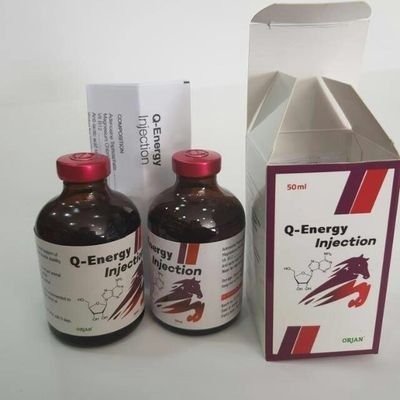
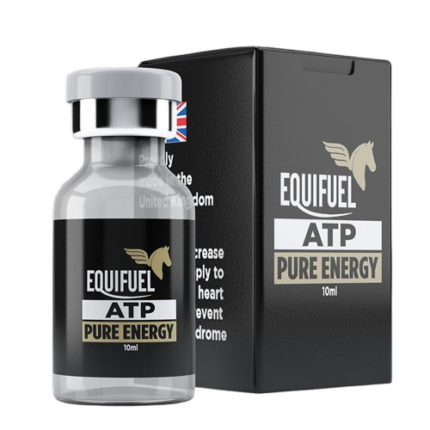
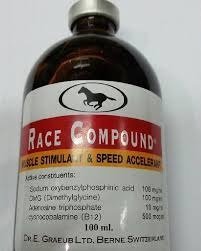
Buy Q-Energy Injection 50mL for Horses Online
Q-Energy Injection 50mL is a veterinary injectable nutritional support product intended for horses requiring additional support for energy metabolism, conditioning and recovery. It is positioned within equine veterinary care as a supportive product for horses undergoing demanding workloads, training, transportation or periods when nutritional and metabolic support may be desirable.
Maintaining a horse’s energy and metabolic balance is an important part of a complete management program. Performance horses, working horses and horses recovering from demanding activity may have nutritional requirements that differ from those of horses maintained at light activity. Appropriate nutrition, hydration, forage, rest and veterinary assessment remain the foundation of good equine care.
Q-Energy Injection 50mL should therefore be considered a supportive veterinary product, rather than a replacement for a balanced diet or treatment for an underlying disease.
What Is Q-Energy Injection 50mL?
Q-Energy Injection 50mL is an injectable veterinary product marketed for equine nutritional and metabolic support.
The product is commonly searched for by horse owners, trainers and veterinary professionals looking for:
- Equine energy support
- Horse recovery support
- Metabolic support for horses
- Performance horse nutritional support
- Injectable horse supplements
- Veterinary energy injections
- Horse conditioning support
- Post-exercise nutritional support
The 50mL presentation makes it a practical format for veterinary use where an injectable nutritional-support product is considered appropriate.
Because formulations can differ between manufacturers and markets, the actual package label should always be used to confirm the active ingredients, concentration, administration route, target species and recommended dosage.
Q-Energy Injection for Horses
Horses have demanding energy requirements when they participate in:
- Racing
- Show jumping
- Dressage
- Eventing
- Endurance
- Polo
- Barrel racing
- Cutting
- Reining
- Hunting
- Breeding programs
- Agricultural work
- Other strenuous activities
Energy requirements increase according to exercise intensity, duration, environmental conditions and individual metabolism.
A horse’s nutritional program should normally provide adequate calories, protein, vitamins, minerals, electrolytes and water.
Where additional veterinary nutritional support is appropriate, a product such as Q-Energy Injection 50mL may be incorporated into a professional management plan.
Energy Metabolism in Horses
Energy metabolism describes the processes through which the horse converts nutrients into usable energy.
The major energy sources in a horse’s diet include:
- Structural carbohydrates from forage
- Nonstructural carbohydrates
- Fats
- Protein
- Stored glycogen
The horse uses these nutrients through different metabolic pathways depending on workload and intensity.
During lower-intensity activity, aerobic metabolism plays a major role.
During short periods of intense exercise, anaerobic pathways become increasingly important.
Efficient energy production therefore depends on adequate nutrition, oxygen delivery, muscle condition, hydration and recovery.
Why Energy Support Matters
A horse experiencing demanding workloads may need careful nutritional management to maintain:
- Body condition
- Muscle function
- Exercise tolerance
- Recovery
- Appetite
- Hydration
- Normal metabolic processes
Poor performance does not necessarily mean that a horse needs an energy injection.
Possible causes of reduced performance include:
- Overtraining
- Pain
- Lameness
- Gastric disease
- Respiratory problems
- Anemia
- Electrolyte imbalance
- Poor nutrition
- Dental disease
- Infection
- Dehydration
- Saddle or tack problems
A veterinary examination is appropriate when reduced performance persists.
Q-Energy and Performance Horses
Performance horses are exposed to greater physical demands than horses maintained primarily for companionship.
Training can place stress on:
- Muscles
- Tendons
- Ligaments
- Joints
- Cardiovascular system
- Respiratory system
- Digestive system
- Energy metabolism
An effective performance program combines:
- Appropriate nutrition
- Progressive conditioning
- Adequate rest
- Hydration
- Veterinary monitoring
- Correct equipment
- Appropriate recovery
Q-Energy Injection 50mL may be considered as part of veterinary nutritional support where indicated.
Q-Energy for Horse Recovery
Recovery begins immediately after exercise.
During recovery, the horse must restore:
- Muscle energy stores
- Fluid balance
- Electrolytes
- Normal body temperature
- Muscle function
- Tissue condition
Nutrition is particularly important after strenuous work.
Adequate forage and a properly formulated diet should form the foundation of recovery.
An injectable nutritional product may be used when a veterinarian believes additional support is appropriate.
Q-Energy During Training
Training gradually increases the horse’s ability to perform work.
A properly designed conditioning program avoids excessive increases in workload.
Signs that a horse may be struggling with its workload can include:
- Persistent fatigue
- Poor willingness to work
- Reduced appetite
- Weight loss
- Muscle soreness
- Poor recovery
- Reduced performance
- Behavioral changes
These signs should not automatically be treated with an energy product.
The underlying cause should be investigated.
Q-Energy for Horses Under Stress
Horses can experience stress from:
- Transportation
- Competition
- Training
- Changes in environment
- Stall confinement
- Separation from companions
- Changes in feeding
- Weather
- Illness
Stress can influence appetite, hydration and normal behavior.
Good management is the first step in minimizing unnecessary stress.
An injectable nutritional-support product may be used as part of a veterinarian-designed supportive-care program.
Q-Energy During Transportation
Long-distance transportation can increase physical and psychological demands on horses.
Important transport considerations include:
- Adequate water
- Appropriate forage
- Proper ventilation
- Safe loading
- Rest stops when required
- Temperature management
- Monitoring for dehydration
- Minimizing overcrowding
If a horse becomes unwell during or after transport, veterinary evaluation is more important than simply administering an energy supplement.
Q-Energy and Hydration
Energy and hydration are closely connected to athletic performance.
Horses lose water and electrolytes through:
- Sweating
- Respiration
- Urination
- Feces
Heavy sweating can result in substantial fluid and electrolyte loss.
A complete recovery program should therefore consider:
- Fresh water
- Appropriate electrolytes
- Forage
- Feed
- Rest
- Environmental temperature
Q-Energy should not be viewed as a replacement for proper hydration.
Q-Energy and Electrolytes
Electrolytes such as sodium, chloride and potassium play important roles in normal physiological function.
They contribute to:
- Fluid balance
- Nerve function
- Muscle contraction
- Recovery following sweating
Electrolyte supplementation should be based on the horse’s workload and management.
Where significant dehydration or electrolyte disturbance is suspected, veterinary assessment is appropriate.
Q-Energy and Nutrition
No injectable product can replace a properly balanced ration.
A horse’s diet should generally be based around good-quality forage, with concentrates and supplements adjusted according to workload and individual needs.
Important nutritional factors include:
- Forage quality
- Calorie intake
- Protein quality
- Mineral balance
- Vitamin supply
- Electrolytes
- Water
- Feeding frequency
Veterinary or equine nutrition advice can help determine whether supplementation is necessary.
Q-Energy for Horses With Reduced Appetite
Reduced appetite can have many causes.
Potential reasons include:
- Stress
- Dental problems
- Gastric discomfort
- Infection
- Fever
- Pain
- Transport
- Feed changes
- Poor-quality feed
A horse that refuses feed should be evaluated rather than simply given an energy product.
If poor appetite continues, veterinary assessment is particularly important.
Q-Energy and Body Condition
Body condition provides useful information about nutritional status.
A horse that is too thin may require investigation of:
- Caloric intake
- Dental health
- Parasites
- Gastric disease
- Chronic disease
- Feed quality
- Competition workload
Simply adding a nutritional injection without addressing the underlying cause may not solve the problem.
Q-Energy for Older Horses
Older horses can have changing nutritional requirements.
Age-related concerns can include:
- Dental deterioration
- Reduced digestive efficiency
- Muscle loss
- Weight loss
- Metabolic disorders
- Reduced exercise tolerance
An older horse should receive a diet appropriate for its individual needs.
Veterinary nutritional support can be particularly valuable when maintaining condition becomes difficult.
Q-Energy for Working Horses
Working horses can perform physically demanding activities every day.
Examples include horses used for:
- Farm work
- Ranch work
- Trail operations
- Forestry
- Transport
- Agricultural activities
Workload, climate and feed availability can all influence energy requirements.
Appropriate rest and nutrition are essential for maintaining welfare and performance.
Q-Energy and Muscle Function
Muscles require energy to contract.
Normal muscle function depends on:
- Adequate calories
- Protein
- Electrolytes
- Minerals
- Hydration
- Oxygen supply
- Recovery
If a horse develops repeated muscle problems, stiffness or exercise intolerance, a veterinarian should investigate possible nutritional, metabolic or musculoskeletal causes.
Q-Energy and Exercise Recovery
Recovery involves more than simply resting.
A comprehensive recovery program can include:
- Walking or appropriate cooldown
- Rehydration
- Electrolyte replacement
- Forage
- Appropriate post-exercise feeding
- Rest
- Monitoring body temperature
- Veterinary follow-up when necessary
Injectable nutritional support may complement these measures when clinically appropriate.
Q-Energy During Competition
Competition places additional demands on horses.
Before competition, attention should be given to:
- Nutrition
- Hydration
- Conditioning
- Rest
- Travel
- Stress
- Medication-control requirements
During competition, horse welfare should always take priority over performance.
Competition Medication Considerations
Horse owners and trainers should always determine whether a veterinary product is permitted under the rules of their particular competition.
Regulations can differ between:
- Racing authorities
- Equestrian federations
- Individual competitions
- Countries
A product described as nutritional support should not automatically be assumed to be competition-safe.
The current rules of the relevant governing body should be checked before administration to a competing horse.
Q-Energy and Veterinary Care
A veterinarian can help determine whether a horse actually needs additional nutritional support.
A veterinary examination may include:
- Physical examination
- Body condition assessment
- Heart and respiratory evaluation
- Lameness assessment
- Blood testing
- Nutritional review
- Hydration assessment
- Exercise history
This approach can identify problems that might otherwise be mistaken for simple fatigue.
Q-Energy Injection Administration
The exact administration route should be taken from the product’s official label.
Injectable medicines can be administered by routes including:
- Intramuscular
- Subcutaneous
- Intravenous
However, these routes are not interchangeable.
A product intended for one route should never be administered through another route without explicit veterinary instruction.
Q-Energy Dosage
The appropriate dosage depends on the exact formulation.
Factors that can affect dosage include:
- Horse’s body weight
- Age
- Clinical condition
- Workload
- Product concentration
- Route of administration
- Manufacturer instructions
- Veterinary assessment
For that reason, a generic dose should not be assumed solely from the product name “Q-Energy Injection 50mL.”
Always follow the label supplied with the product and veterinary instructions.
Why Veterinary Supervision Matters
Injectable products require greater care than ordinary oral supplements.
Incorrect administration can result in:
- Tissue irritation
- Infection
- Incorrect dosing
- Injection-site injury
- Adverse reactions
Veterinary professionals have the training needed to select an appropriate administration technique and monitor the horse.
Q-Energy Storage
Storage requirements should be confirmed from the manufacturer’s packaging.
Before using the product, check:
- Expiry date
- Vial integrity
- Label information
- Product appearance
- Storage temperature
- In-use instructions
Do not use injectable medicine from a damaged or compromised container.
Buying Q-Energy Injection 50mL
Customers searching for Q-Energy Injection 50mL may also use related search terms such as:
- Buy Q-Energy Injection
- Q-Energy 50mL for Horses
- Q-Energy Horse Injection
- Equine Energy Injection
- Horse Energy Support Injection
- Veterinary Energy Injection
- Injectable Nutritional Support for Horses
- Horse Recovery Injection
- Equine Performance Support
- Horse Metabolic Support
Product descriptions should accurately reflect the manufacturer’s intended use rather than making unsupported therapeutic claims.
Q-Energy for Customers in the USA
Horse owners and veterinary professionals in the United States should verify the regulatory status of the exact Q-Energy formulation before purchase or administration.
Veterinary products can have different regulatory classifications in different countries.
Availability outside the United States does not automatically establish approval for use in the United States.
Q-Energy in Canada
Canadian customers should verify the applicable veterinary medicine requirements and ensure the product is appropriate for the intended horse.
Q-Energy in Australia
Australia has extensive equine racing and competition industries, so medication-control requirements should be considered carefully.
Always check the current rules applicable to the horse’s competition.
Q-Energy in Europe
Customers in France, Germany, Spain, the Netherlands and other European markets should confirm the product’s local regulatory requirements.
A veterinary product’s legal status can vary between jurisdictions.
Q-Energy in Mexico
Mexican horse owners should verify the product’s local availability, registration requirements and veterinary directions before use.
Q-Energy in USA
Equine veterinary products are widely used within South Africa’s racing, sport and working-horse sectors.
Owners should ensure that any injectable product is obtained through an appropriate veterinary supply channel and used according to applicable local requirements.
Frequently Asked Questions
What is Q-Energy Injection 50mL?
Q-Energy Injection 50mL is an injectable veterinary nutritional-support product marketed for horses requiring support associated with energy, metabolism, conditioning or recovery.
What is Q-Energy Injection used for?
It is intended as supportive care within an equine management program. It should not replace a balanced diet, appropriate hydration, conditioning or veterinary treatment.
Is Q-Energy an antibiotic?
No. Q-Energy should not be considered an antibiotic unless the exact manufacturer formulation specifically states otherwise.
Is Q-Energy a painkiller?
It should not automatically be classified as a painkiller. Its use is associated with nutritional and metabolic support rather than replacing appropriate analgesic treatment.
Can Q-Energy improve horse performance?
A nutritional-support product should not be represented as a guaranteed performance enhancer. Performance depends on conditioning, nutrition, health, training, recovery and many other factors.
Can Q-Energy be used before competition?
Only when the product is appropriate for the horse and permitted under the applicable competition rules. Competition regulations should always be checked.
Can Q-Energy replace electrolytes?
No. Electrolyte requirements should be managed separately according to workload, sweating and veterinary or nutritional guidance.
Can Q-Energy replace a balanced diet?
No. A complete feeding program remains fundamental to equine health.
How should Q-Energy be administered?
The administration route should be taken directly from the exact product label and veterinary instructions.
How much Q-Energy should a horse receive?
The correct amount depends on the exact formulation, horse and intended use. Follow the manufacturer’s label and veterinarian’s instructions rather than applying a generic dose.
Is Q-Energy suitable for racehorses?
It may be considered as part of veterinary nutritional support, but racing authorities can regulate substances administered to horses. The applicable rules should be checked before use.
Can Q-Energy be used in older horses?
A veterinarian may consider nutritional support for an older horse when appropriate, but the horse’s diet and underlying health should also be assessed.
Can Q-Energy be used in working horses?
It may be considered within a broader nutritional-management program for working horses, provided the exact formulation is appropriate for the animal.
Can Q-Energy be used during recovery?
It may be considered as supportive nutritional care, but recovery should also include appropriate hydration, nutrition, rest and veterinary monitoring.
Q-Energy Injection 50mL — Vet Pharma Med
Q-Energy Injection 50mL is positioned as a veterinary nutritional-support product for horses requiring additional support within demanding training, performance, working or recovery programs. Maintaining energy balance is essential for horses, particularly those subjected to regular exercise, transportation, competition or physically demanding work.
A healthy equine energy-management program begins with adequate forage, calories, protein, minerals, vitamins, electrolytes and water. Conditioning and recovery are equally important. Q-Energy Injection 50mL should therefore be viewed as a supportive product within a comprehensive management program rather than as a replacement for balanced nutrition or treatment of an underlying medical condition.
Performance changes, unexplained fatigue, weight loss, reduced appetite or poor recovery can indicate a medical or nutritional problem. Possible causes include pain, lameness, gastric disease, respiratory disorders, dehydration, anemia, infection, inadequate caloric intake or excessive workload. Veterinary examination can help determine the reason for these signs before supplementation is selected.
For horses involved in racing and competitive sport, product use also requires careful consideration of current medication-control regulations. A product being marketed as nutritional or metabolic support does not automatically mean that it is permitted under every competition’s rules. Owners and trainers should check the requirements of their governing organization before administering any injectable product.
When purchasing Q-Energy Injection 50mL, customers should verify the manufacturer’s label, formulation, target species, concentration, administration route, storage requirements and expiry information. These details are more reliable than generalized descriptions because veterinary formulations can differ between markets.
Vet Pharma Med provides product-focused information for customers researching equine veterinary products and nutritional support. Q-Energy Injection 50mL can be considered by horse owners and veterinary professionals looking for an injectable nutritional-support option, subject to the exact product label and professional veterinary guidance.
Important: This description is intended for product information and educational purposes. Use injectable veterinary products only according to the manufacturer’s instructions and the direction of a qualified veterinary professional
Q-energy injection can be used at home as an injection, under instruction of a doctor.Q-energy injection is an important vitamin that you usually get from your food. It is mainly found in meat and dairy products
- This Q-energy injection can be used at home as an injection, under instruction of a doctor.
- injection is an important vitamin that you usually get from your food. It is mainly found in meat and dairy products.
- Aids in the production of red blood cells and keeps your nervous system working properly.
- Commonly used for weight loss, energy, pernicious anemia, schilling test and overall health.
Before using this medication, a health care professional will provide detailed instructions for appropriate use of this medicine. Please ask any questions that you may have about this medicine or performing injections. Store this medicine as directed on the packaging. If you miss a dose of this medicine, use it as soon as possible. If it is almost time for your next dose, skip the missed dose and go back to your regular dosing schedule. Do not use 2 doses at once.
Ingredients
Active Ingredients:
Cyanocobalamin 1000 mcg/mL
Cautions :
DO NOT TAKE large doses of vitamins (megadoses or megavitamin therapy) unless directed to by your doctor. DO NOT STOP USING THIS MEDICINE without first checking with your doctor. IT IS IMPORTANT that you keep all doctor and laboratory appointments while you are using this medicine. Before taking any new medication, either prescription or over-the-counter, check with your doctor or pharmacist.
Contraindications
This preparation is contraindicated in patients who are sensitive to cobalt and/or vitamin B12. As this product contains benzyl alcohol, it should not be used in newborns or in people who are sensitive to benzyl alcohol.
Warnings
Patients who have early Leber’s disease (hereditary optic nerve atrophy) have been found to suffer severe and swift optic atrophy when treated with vitamin B12.
Fatal hypokalemia may occur when severe megaloblastic anemia is treated intensively with vitamin B12, as a result of increased erythrocyte potassium requirements.
General
Doses of vitamin B12 exceeding 10 mcg daily may produce a hematologic response in patients who have a folate deficiency. Indiscriminate administration of vitamin B12 may mask the true diagnosis of pernicious anemia.
Vitamin B12 deficiency that is allowed to progress for longer than three months may produce permanent degenerative lesions of the spinal cord. Doses of folic acid greater than 0.1 mg per day may result in hematologic remission in patients with . Neurologic manifestations will not be prevented with folic acid, and if not treated with rreversible damage will result.
Reviews
There are no reviews yet.