
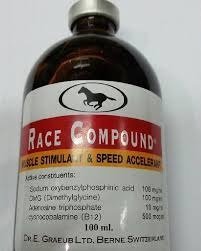
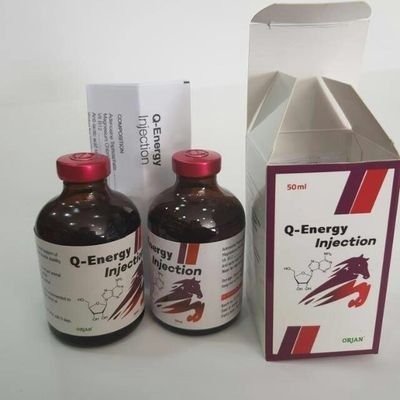
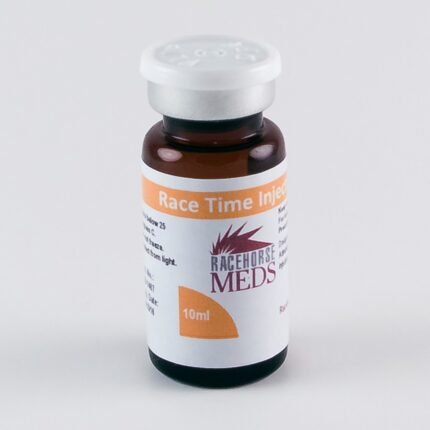
Race Compound Injection 100mL for Horses
Race Compound Injection 100mL is an equine veterinary injectable product associated with the management of horses involved in demanding training, conditioning and performance programs. It is a product of interest to horse owners, trainers, breeders and veterinary professionals looking for injectable support within a structured equine healthcare program.
Racehorses and performance horses have unique management requirements. Their daily routines may involve intensive exercise, transportation, competition, environmental changes and carefully controlled nutritional programs. Maintaining soundness, appropriate body condition, hydration, recovery and overall health is essential for responsible performance-horse management.
Race Compound Injection 100mL should therefore be considered as part of a broader veterinary and conditioning program rather than as a replacement for proper nutrition, rest, hydration, fitness development or diagnosis of an underlying health problem.
Because the name Race Compound does not by itself identify the active ingredients or exact pharmacological formulation, customers should always verify the manufacturer’s label before administration. The exact formulation, strength, target species, route, dosage, precautions and competition status can vary between products and markets.
What Is Race Compound Injection 100mL?
Race Compound Injection 100mL is an injectable veterinary product marketed for equine use and associated with horse conditioning and performance-management programs.
The 100mL presentation is a liquid injectable format intended for appropriate veterinary administration.
When evaluating this product, horse owners should confirm:
- Active ingredients
- Concentration
- Manufacturer
- Target species
- Indications
- Administration route
- Dosage instructions
- Contraindications
- Storage requirements
- Expiration date
- Competition restrictions
These details are more important than the product name alone.
Race Compound for Performance Horses
Performance horses can be exposed to significant physical demands.
Depending on the discipline, horses may participate in:
- Racing
- Show jumping
- Dressage
- Eventing
- Endurance
- Polo
- Barrel racing
- Reining
- Cutting
- Ranch work
- Other athletic activities
Each discipline places different demands on the horse’s muscles, joints, cardiovascular system and energy metabolism.
A successful program therefore requires individualized management.
Horse Conditioning and Training
Conditioning allows the horse’s body to adapt progressively to exercise.
A good conditioning program can help develop:
- Cardiovascular fitness
- Muscular strength
- Coordination
- Stamina
- Exercise tolerance
- Recovery capacity
Training should be increased progressively.
Sudden increases in intensity, duration or frequency can increase the likelihood of fatigue and injury.
Race Compound and Equine Fitness
Fitness is not simply the ability to complete an exercise session.
A fit horse should be able to:
- Perform the required workload
- Recover appropriately
- Maintain normal appetite
- Maintain appropriate body condition
- Remain sound
- Tolerate training without persistent exhaustion
If a horse is repeatedly unable to maintain its expected performance, a veterinarian should investigate possible medical or nutritional causes.
Race Compound and Energy Management
Energy production is central to athletic performance.
Horses obtain energy from nutrients supplied through their diet.
Important nutritional energy sources include:
- Forage carbohydrates
- Concentrate feeds
- Fats
- Protein
Energy is then converted through metabolic pathways into forms that can be used by muscles and other tissues.
Energy requirements increase with workload.
However, reduced performance does not necessarily indicate an energy deficiency.
Other possible causes include:
- Pain
- Lameness
- Respiratory disease
- Gastric problems
- Infection
- Anemia
- Dehydration
- Electrolyte imbalance
- Overtraining
Race Compound and Recovery
Recovery is one of the most important components of athletic horse management.
After exercise, horses need adequate:
- Water
- Electrolytes
- Forage
- Calories
- Rest
- Appropriate cooldown
- Monitoring
A horse that fails to recover normally may require veterinary assessment.
Injectable support should not be used simply to conceal signs of excessive workload or illness.
Race Compound and Hydration
Hydration plays an important role in equine performance.
Horses can lose considerable amounts of water through sweating during intense exercise or hot weather.
Dehydration can affect:
- Circulation
- Thermoregulation
- Exercise capacity
- Muscle function
- Recovery
A proper hydration plan should always be part of performance management.
Electrolytes and Athletic Horses
Sweat contains electrolytes, particularly:
- Sodium
- Chloride
- Potassium
Electrolyte loss can become significant during strenuous exercise.
Electrolyte management may therefore be incorporated into the nutritional program of performance horses.
Race Compound Injection should not automatically be described as an electrolyte product unless its exact formulation specifically contains electrolytes intended for that purpose.
Race Compound and Muscle Health
Muscles require energy, oxygen, minerals and adequate hydration.
Muscle problems can develop due to:
- Excessive exercise
- Poor conditioning
- Nutritional imbalance
- Dehydration
- Electrolyte abnormalities
- Injury
- Metabolic disorders
Signs such as persistent stiffness, reluctance to move, muscle pain or repeated exercise intolerance should be investigated by a veterinarian.
Race Compound and Horse Recovery After Competition
Following competition, horses should receive an appropriate recovery period.
A recovery plan may include:
- Controlled cooldown
- Access to clean water
- Appropriate electrolytes
- Adequate forage
- Suitable post-exercise feeding
- Rest
- Monitoring for abnormal signs
If the horse remains excessively tired or develops abnormal behavior, fever, lameness or respiratory difficulties, veterinary evaluation is appropriate.
Race Compound for Racehorses
Racehorses experience some of the highest exercise demands among athletic horses.
Their management can include:
- Daily conditioning
- Speed work
- Gallops
- Track training
- Recovery sessions
- Veterinary examinations
- Nutritional monitoring
Race Compound Injection 100mL may be considered only when the exact formulation is appropriate for the horse and intended veterinary purpose.
Race Compound for Thoroughbreds
Thoroughbreds are commonly involved in racing and high-level athletic activities.
Their management requires attention to:
- Musculoskeletal health
- Cardiovascular fitness
- Respiratory function
- Nutrition
- Body condition
- Hoof health
- Dental health
- Recovery
- Injury prevention
A veterinary professional can help determine whether an injectable product has a legitimate role in an individual horse’s management.
Race Compound for Sport Horses
Sport horses can also experience demanding training.
Disciplines such as jumping, eventing and dressage require different combinations of:
- Strength
- Balance
- Coordination
- Endurance
- Flexibility
- Recovery
Veterinary support should be individualized to the discipline and horse.
Race Compound and Competition Rules
This is an especially important consideration.
Racehorses and competition horses can be subject to strict medication-control programs.
Different organizations can have different regulations concerning:
- Prohibited substances
- Therapeutic medications
- Detection times
- Treatment records
- Withdrawal periods
- Permitted treatments
A product described as a supplement, compound or supportive injection should not automatically be assumed to be permitted in competition.
The exact ingredient list should be reviewed against the applicable rules.
Race Compound Before Racing
Horse owners and trainers should not administer an injectable product simply because they believe it might improve performance before a race.
Any treatment should have a legitimate veterinary rationale and comply with the relevant racing authority.
Where medication-control rules apply, trainers should maintain appropriate treatment records and follow veterinary guidance.
Race Compound and Veterinary Assessment
Before an injectable product is used, the horse’s health should be considered.
A veterinary assessment may involve:
- Physical examination
- Body condition assessment
- Lameness examination
- Cardiovascular assessment
- Respiratory assessment
- Blood testing where indicated
- Nutritional evaluation
- Training-history review
This helps identify the actual reason for poor performance or delayed recovery.
Poor Performance in Horses
Poor performance can be caused by numerous problems.
Potential causes include:
Musculoskeletal problems
Examples include:
- Joint pain
- Tendon injury
- Ligament injury
- Hoof pain
- Muscle injury
Respiratory problems
These may include:
- Airway inflammation
- Infection
- Exercise-related respiratory disorders
Gastrointestinal problems
These may include:
- Gastric ulcers
- Digestive disorders
- Colic
Nutritional problems
Examples include:
- Insufficient calories
- Mineral imbalance
- Electrolyte loss
- Poor-quality feed
General medical disease
Examples include:
- Infection
- Anemia
- Metabolic disorders
For this reason, persistent poor performance deserves investigation.
Race Compound and Nutrition
Nutrition remains the foundation of performance.
A performance horse generally needs a diet appropriate to:
- Body weight
- Workload
- Age
- Body condition
- Discipline
- Metabolic health
Forage should remain an important component of the feeding program.
Concentrates and supplements should be selected according to the horse’s individual needs.
Race Compound and Body Condition
Maintaining an appropriate body condition is important.
Both excessive weight and inadequate body condition can affect performance.
A horse losing weight unexpectedly may have:
- Increased energy expenditure
- Poor feed intake
- Dental disease
- Parasites
- Gastric disease
- Chronic illness
These conditions should be addressed directly.
Race Compound for Working Horses
Not all athletic horses compete in races.
Working horses can also experience significant physical demands.
Examples include horses used for:
- Ranch work
- Farming
- Trail riding
- Trekking
- Agricultural work
- Transport
- Forestry
Their nutrition and recovery requirements should be matched to their workload.
Race Compound During Transportation
Transportation can be stressful for horses.
Potential concerns include:
- Reduced water consumption
- Changes in feeding
- Fatigue
- Heat stress
- Respiratory exposure
- Anxiety
Good transportation practices can reduce these challenges.
Race Compound and Older Horses
Older horses may have different nutritional and exercise requirements.
Age-related changes can include:
- Reduced muscle mass
- Dental problems
- Arthritis
- Changes in metabolism
- Reduced exercise tolerance
An older horse with reduced performance should be assessed rather than automatically treated with a performance-support injection.
Race Compound and Young Horses
Young horses are still developing physically.
Training programs should therefore be carefully designed to avoid excessive workloads.
Veterinary guidance can help establish appropriate conditioning and development programs.
Administration of Race Compound Injection
The exact administration route must come from the manufacturer’s instructions.
Injectable veterinary products may be intended for specific routes.
For example, a product may be labeled for:
- Intramuscular administration
- Subcutaneous administration
- Intravenous administration
These routes should never be assumed to be interchangeable.
Race Compound Injection Dosage
There is no universal dosage that can safely be recommended from the product name alone.
The appropriate dosage depends on:
- Exact active ingredient
- Concentration
- Horse’s body weight
- Medical indication
- Route
- Age
- Health status
- Manufacturer’s instructions
A qualified veterinarian should determine the appropriate dose.
Why the Exact Label Matters
The name Race Compound Injection 100mL does not provide enough information to establish its pharmacological composition.
Different manufacturers may use similar commercial names for different products.
Therefore, customers should confirm the label before using any product.
Race Compound Injection Safety
Injectable veterinary products require careful handling.
Potential risks associated with inappropriate injectable administration can include:
- Injection-site irritation
- Tissue injury
- Infection
- Incorrect dosing
- Adverse reactions
Use sterile equipment and appropriate veterinary technique according to professional instructions.
Race Compound and Other Medications
The safety of combining Race Compound with another medication depends entirely on its active ingredients.
Before administering additional products, the veterinarian should review all medicines and supplements currently being given to the horse.
This includes:
- NSAIDs
- Corticosteroids
- Antibiotics
- Sedatives
- Hormonal medications
- Vitamins
- Minerals
- Electrolytes
- Other injectable products
Race Compound Storage
Follow the manufacturer’s storage requirements.
Before administration:
- Check the expiration date.
- Check that the container is intact.
- Inspect the product according to label instructions.
- Confirm appropriate storage conditions.
- Do not use an expired product.
Buying Race Compound Injection 100mL
When searching for Race Compound Injection 100mL, customers may encounter related phrases such as:
- Race Compound 100mL
- Race Compound for Horses
- Race Compound Injection for Horses
- Equine Race Compound
- Horse Racing Injection
- Equine Conditioning Injection
- Racehorse Veterinary Injection
- Equine Performance Support
- Horse Training Support
- Horse Recovery Injection
However, the product’s actual formulation should always be confirmed before purchase or use.
International Availability
Veterinary medicine regulations vary between countries.
Customers searching for Race Compound Injection 100mL in the:
- United States
- Canada
- Australia
- Mexico
- France
- Germany
- Spain
- Netherlands
- South Africa
- United Kingdom
- Other international markets
should verify the regulatory status and veterinary requirements applicable to their location.
A product legally available in one country may have different restrictions in another.
Frequently Asked Questions
What is Race Compound Injection 100mL?
Race Compound Injection 100mL is an equine veterinary injectable product associated with racehorse and performance-horse management. Its exact use depends on its specific formulation.
Is Race Compound specifically for racehorses?
The name indicates a racing-related product, but the exact target species and intended use should be confirmed from the manufacturer’s label.
What ingredients are in Race Compound?
The active ingredients cannot be reliably determined from the product name alone. Customers should check the exact manufacturer’s packaging.
Is Race Compound an antibiotic?
Not necessarily. The product should not be classified as an antibiotic without confirming its formulation.
Is Race Compound a steroid?
The product name alone does not establish whether it contains steroids. Check the ingredient list.
Is Race Compound an energy injection?
Its classification depends on the actual formulation. It should not automatically be described as an energy injection without manufacturer confirmation.
Can Race Compound be used for performance enhancement?
Veterinary products should be used for legitimate health or veterinary purposes. No product should be represented as a guaranteed method of improving racing performance.
Can it be used before a race?
Only when the treatment is appropriate and complies with all applicable racing and medication-control regulations.
How is Race Compound administered?
Follow the exact administration route printed on the manufacturer’s label and the instructions of a qualified veterinarian.
What is the correct dose?
The correct dose depends on the formulation, concentration, horse and intended use. A veterinarian should determine the appropriate dosage.
Can Race Compound be used with other medicines?
Potential interactions depend on the active ingredients. Tell the veterinarian about every medicine and supplement the horse receives.
Can it be used during training?
Its use during training should be based on the product’s intended indication and veterinary guidance.
Can it help horse recovery?
That depends on the exact formulation. Recovery should always include proper nutrition, hydration, rest and appropriate conditioning.
Is Race Compound safe for all horses?
No. Suitability depends on the horse’s age, health, workload and the product’s exact formulation.
Is Race Compound legal in competition?
That depends on the ingredients and the rules of the applicable competition or racing authority. Always verify current regulations.
How should the 100mL vial be stored?
Follow the storage instructions printed on the manufacturer’s packaging.
Race Compound Injection 100mL — Vet Pharma Med
Race Compound Injection 100mL is an equine veterinary product associated with professional horse training, conditioning and performance-management programs. The 100mL injectable presentation is designed for veterinary use, while the exact clinical purpose depends on the formulation and manufacturer.
For racehorses and other performance horses, responsible management requires much more than an injectable product. Balanced nutrition, quality forage, adequate hydration, progressive conditioning, appropriate rest, hoof care, dental care and routine veterinary assessment all contribute to maintaining a healthy and athletic horse.
When a horse develops unexplained fatigue, poor performance, reduced appetite, weight loss, lameness or delayed recovery, the underlying cause should be investigated. These signs can be associated with nutritional problems, musculoskeletal injury, respiratory disease, gastrointestinal disorders, dehydration, infection or excessive workload.
The exact formulation of Race Compound Injection 100mL should always be confirmed before administration. Check the manufacturer’s label for active ingredients, concentration, target species, route, dosage, precautions, storage conditions and expiration information.
Competition regulations are also particularly important. Racing and equestrian organizations may restrict certain substances or require specific treatment records and withdrawal periods. The fact that a product is commercially described as a “compound” or performance-support product does not determine whether it is permitted in competition.
Vet Pharma Med provides product information for customers researching equine veterinary medicines and performance-related veterinary products. Race Compound Injection 100mL should be used only when appropriate for the horse and according to the exact product instructions and qualified veterinary advice.
Important: This information is provided for educational and product-information purposes and is not a substitute for veterinary diagnosis or treatment. Because formulations can vary under similar product names, always verify the exact product label before use
Race Compound 100ml We do offer a wide range of products and below, you shall find just a sample list of what we have in stock : Dexacortyl 100ml Vetacortyl 5ml Fluvet 50ml Synedem 25ml Edemax 30ml Dexametasona 10ml Abhayrab 0.5ml Equicistan 100ml Fructosa C 100ml Overxicam
Race Compound 100ml We do offer a wide range of products and below, you shall find just a sample list of what we have in stock : Dexacortyl 100ml Vetacortyl 5ml Fluvet 50ml Synedem 25ml Edemax 30ml Dexametasona 10ml Abhayrab 0.5ml Equicistan 100ml Fructosa C 100ml Overxicam.
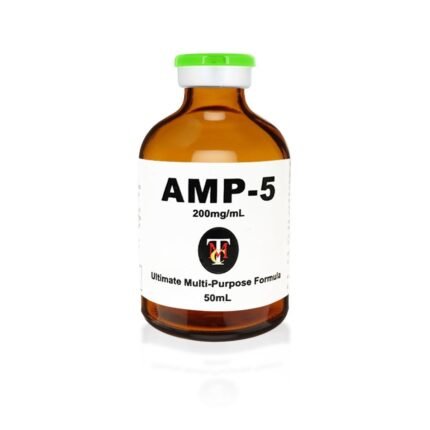
Reviews
There are no reviews yet.